
Yayoi Kusama, whose childhood hallucinations shaped her art, dies aged 97
Japanese artist Yayoi Kusama, known worldwide for her polka dots, has died aged 97 in Tokyo, her gallery confirmed. Read more on The Gulf Edition
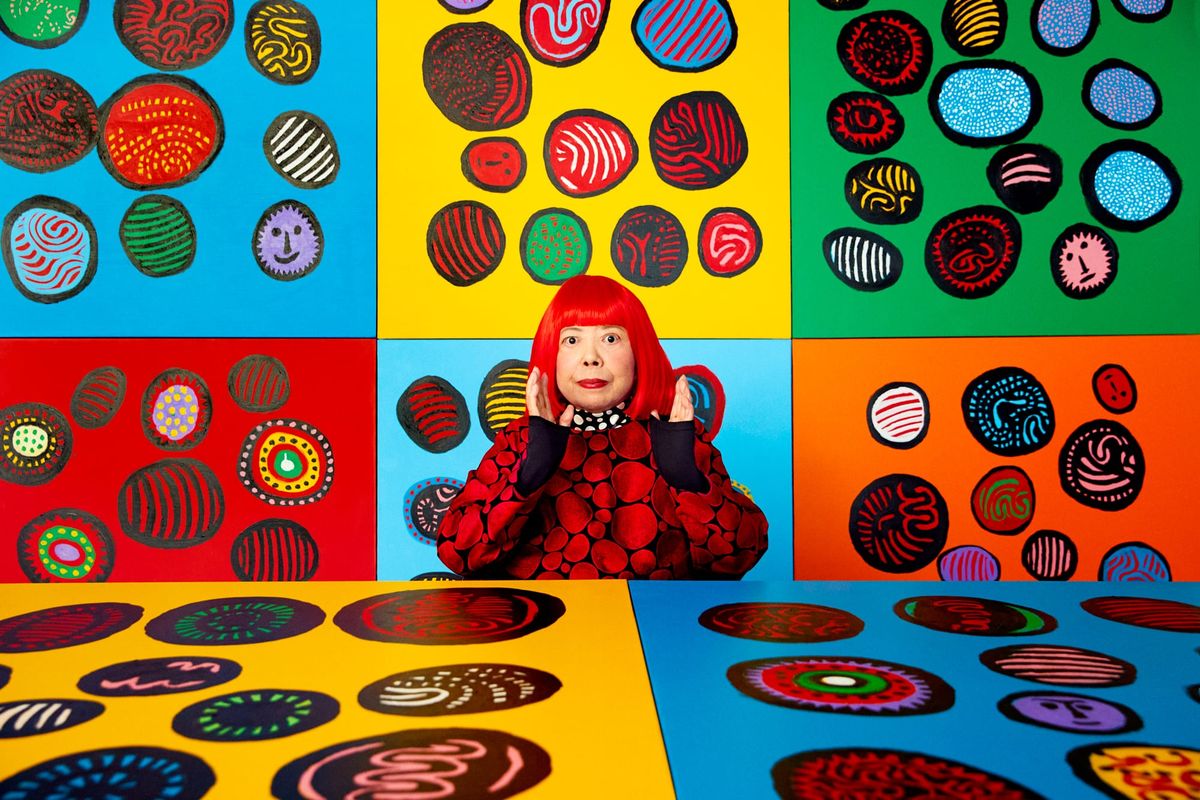
Yayoi Kusama was just ten years old when she looked up from a red floral tablecloth and saw its pattern spreading across the ceiling, the walls and, eventually, her own body.
She described the moment as one of ‘self-obliteration’, a hallucination she had no control over. That childhood experience became the foundation of a concept Kusama would return to throughout her six-decade career as an artist, whom the world would know as the "polka dot queen".
Kusama died on 14 August at a hospital in Tokyo, aged 97, from multiple organ failure, her gallery, David Zwirner, confirmed.
A hallucination that became a signature
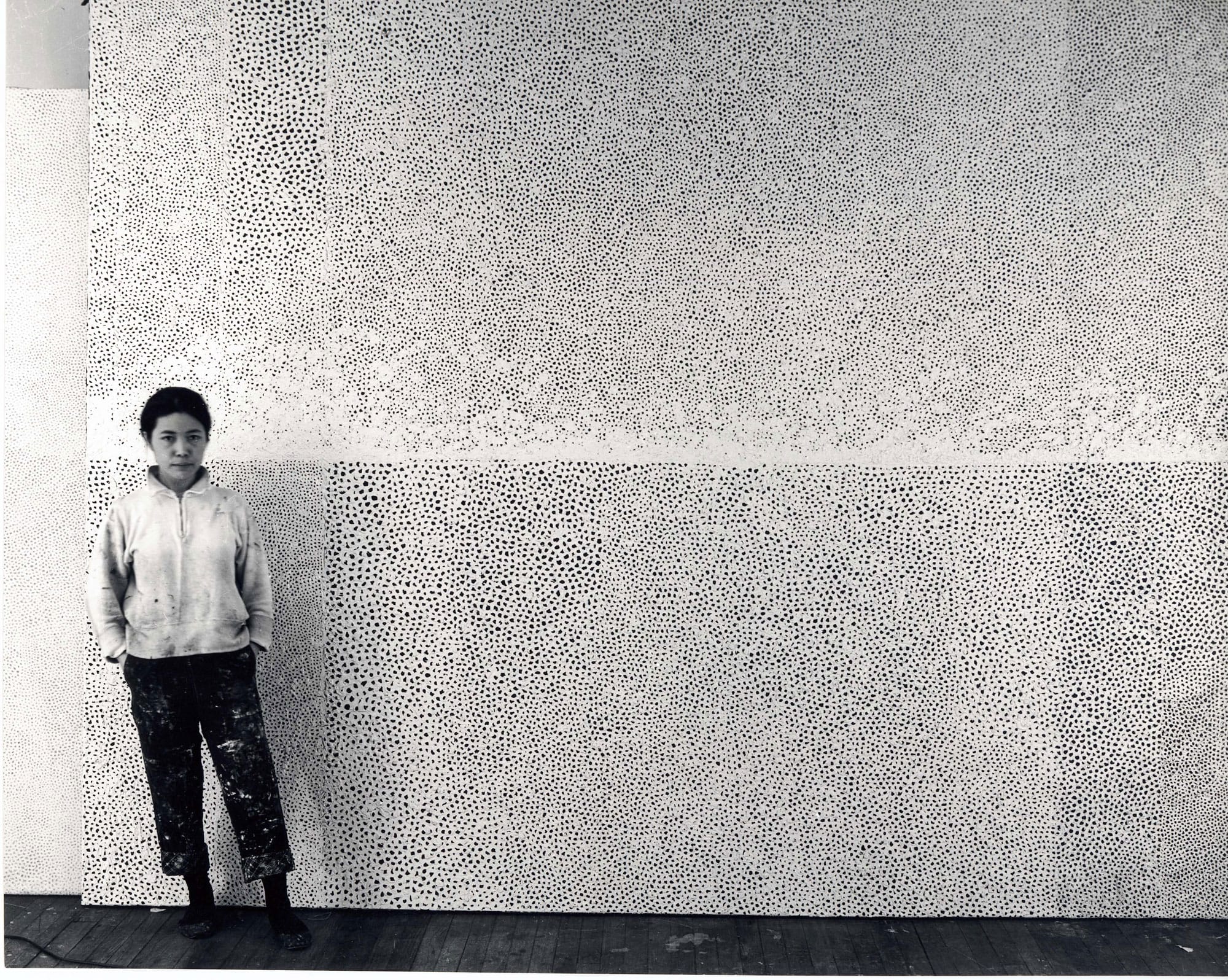
Kusama, an avant-garde artist and novelist, was born in 1929 in Matsumoto, Japan, according to the Yayoi Kusama Museum. From childhood, she experienced visions and hallucinations, which led to her first polka dot and net-themed drawings, using watercolours, pastels and oil paints to develop her own form of expression from an early age, the museum said.
She formulated a philosophy of art she called ‘self-obliteration’, based on obsessive repetition and proliferation of simple motifs, according to the museum.
The Tate has cited Kusama's own description of her philosophy: “Our earth is only one polka dot among a million stars in the cosmos.”
From Matsumoto to New York
Kusama relocated to the United States in 1957, and the following year, based in New York, began exhibiting innovative works in rapid succession, including net paintings, soft sculptures and installations using mirrors and lights, according to the Yayoi Kusama Museum. Her activities widened to include body painting events, fashion shows, anti-war ‘happenings’, films and newsletters, helping to establish her as a leading avant-garde artist, the museum said.
She represented Japan at the 45th Venice Biennale in 1993, and a 2014 survey based on museum attendance named her the world's most popular artist.
Kusama also collaborated with major brands, including Louis Vuitton, which incorporated her polka dot designs into store displays and created animatronic figures of the artist for its shop windows.
One of her paintings sold for around $10.5 million at auction in 2022, among the highest prices achieved by a female artist.
Return to Japan and later work
After returning to Japan in 1973, Kusama resumed writing fiction and poetry and created outdoor sculptures, large-scale installations and her ‘Infinity Mirror Room’ series, according to the Yayoi Kusama Museum. These immersive installations of repeating reflections went on to attract millions of visitors to galleries worldwide.
In 2009, she began her ‘My Eternal Soul’ series, which continued until 2021 and produced roughly 900 paintings, the museum said. In 2021, she began a new series titled ‘Every Day I Pray for Love’.
Exhibitions in the Middle East
Kusama's work has been shown in the Middle East on multiple occasions.
Her first solo exhibition in the region, ‘Dot Obsessions’, opened at Sharjah Art Foundation in the UAE in October 2016, featuring early works from the 1950s alongside interactive installations, according to Victoria Miro gallery.
She made her Saudi Arabian debut in 2020 with ‘Infinity Mirrored Room – Brilliance of the Souls’, an immersive mirrored installation at AlUla's Maraya Concert Hall, according to Arab News.
In 2022, Qatar Museums presented ‘My Soul Blooms Forever’, an outdoor exhibition of nine large-scale sculptures and installations at the Museum of Islamic Art in Doha, described as the largest outdoor exhibition of its kind in the Gulf region and timed to coincide with the FIFA World Cup Qatar 2022, according to Qatar Museums.
A life lived in a Tokyo hospital
Decades after her hallucinations first began, Kusama voluntarily checked into a psychiatric hospital in Tokyo, where she lived for the rest of her life, continuing to create work from the facility and a nearby studio, according to NPR and Dezeen.
The Yayoi Kusama Museum opened in Tokyo in 2017, and her pumpkin sculptures, including one on Naoshima Island, became some of her most widely recognised works.
The Yayoi Kusama Foundation said in a statement that she ‘continued to paint until her final days, never setting aside her brush.’


Comments ()