
This School is the First in Dubai to Host a Living Beehive in Partnership With Terra Expo City
Expo City Dubai Brings Living Beehive to Deira International School in First Hundred Hives School Partnership
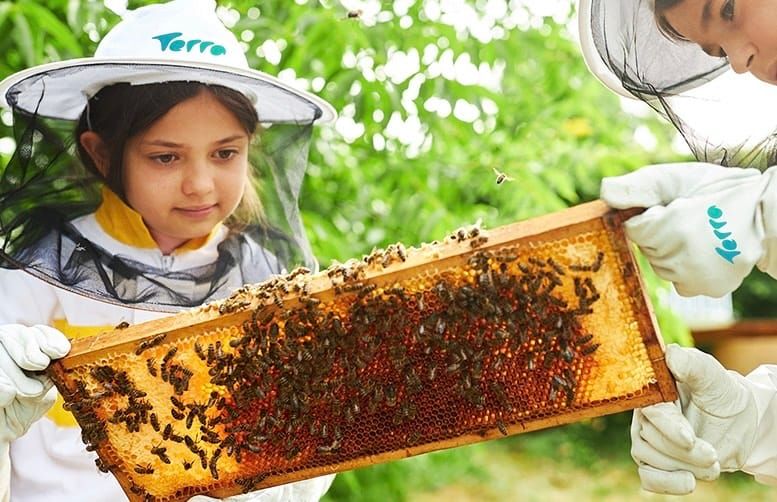
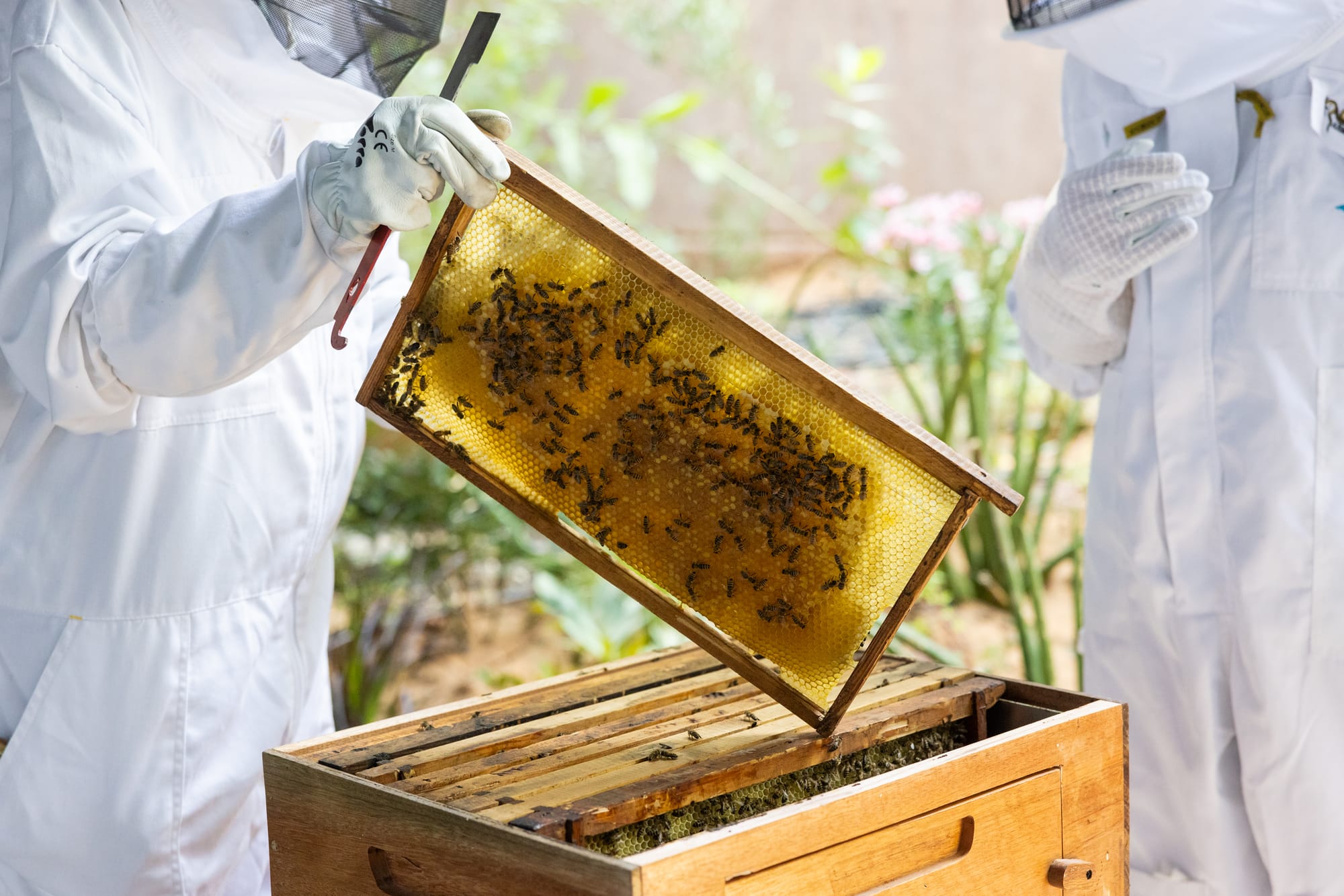
Thousands of bees humming inside a living colony on a school campus in Dubai Festival City. For 2,500 students and staff at Deira International School, that is now part of everyday school life.
On 26 June 2026, the school became the first in Dubai to join Terra Expo City Dubai''s Hundred Hives initiative, a programme that places working beehives directly into school environments as a tool for hands-on environmental education.
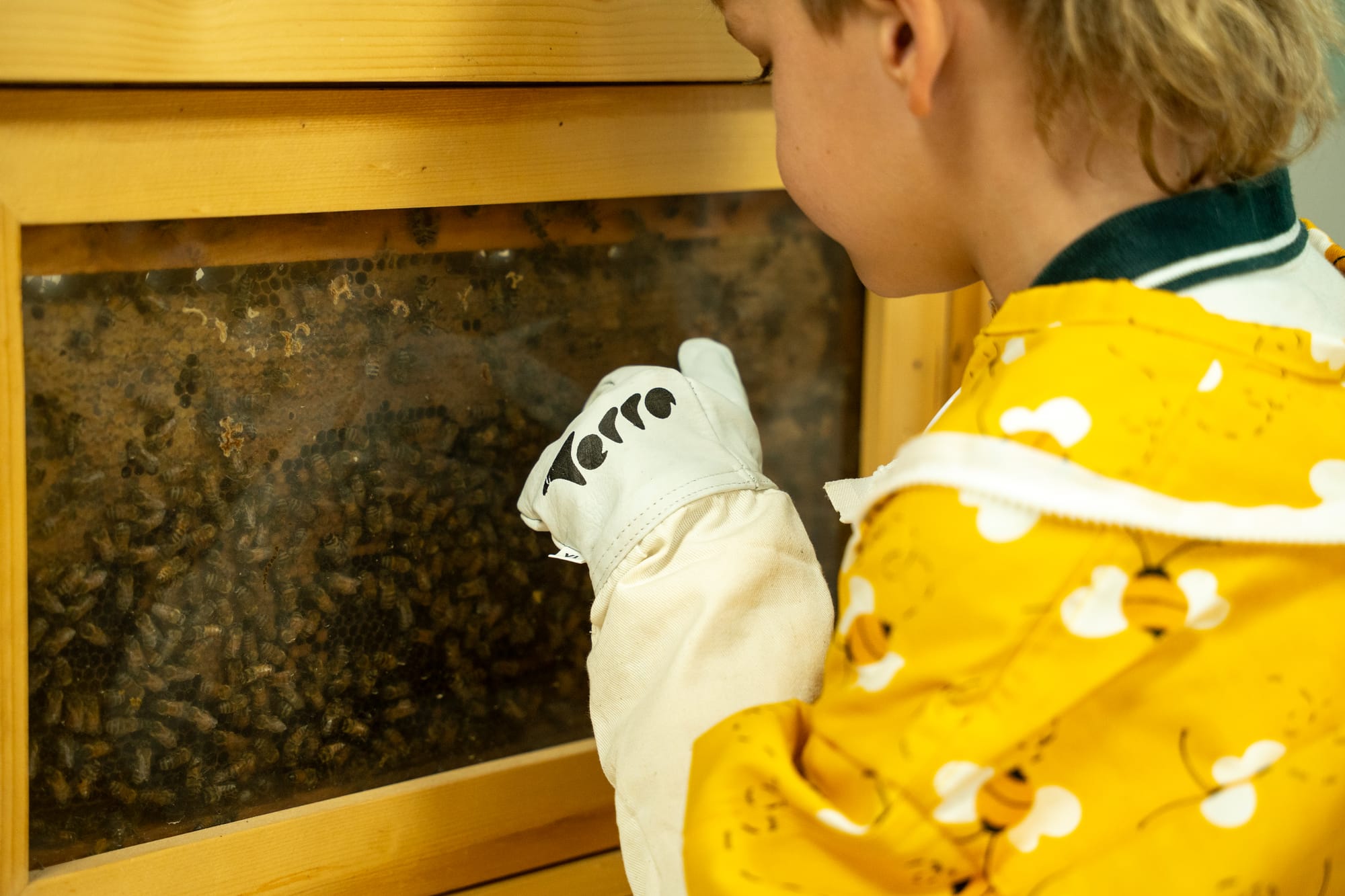
The moment was not lost on the students. By the end of the day, they had named their hive's queen bee ''Beyoncé,'' learned that male bees do not have stingers, and discovered that female bees do all the work inside the hive. They also made candles from beeswax. For many, it was their first time standing close to a living colony.
''It was very nice and adventurous,'' said eight-year-old Nora, who added she was now considering becoming a beekeeper. Her classmate Yaman, nine, came away with a favourite fact: ''I know they have five eyes. And I also know that they can feel feelings.''
From Construction Site to Classroom
The story of Terra''s pollinator programme begins not in a school, but on a building site. When construction crews were assembling the Terra Pavilion at the Expo 2020 site in 2019, they discovered a swarm of bees had made the unfinished structure its home. Rather than removing the insects, the team carefully relocated the colony.
The bees were identified as native to the UAE. The original colony consisted of just 2,000 bees. After being carefully reintroduced in October 2024, the population doubled within three months. Today, the colony numbers 30,000 bees. They belong to Apis mellifera jemenitica, a species native to the Arabian Peninsula.
That discovery sparked a wider mission. Terra''s pollinator programme has since grown to include Jane Goodall''s Pollinator Garden, beekeeping courses for adults and children, and immersive hive experiences. Hundred Hives is its school-focused arm. Alongside Bee Kind, Terra''s programme for corporates and institutions, the shared goal is to establish 100 hives across Dubai.
A hive on campus
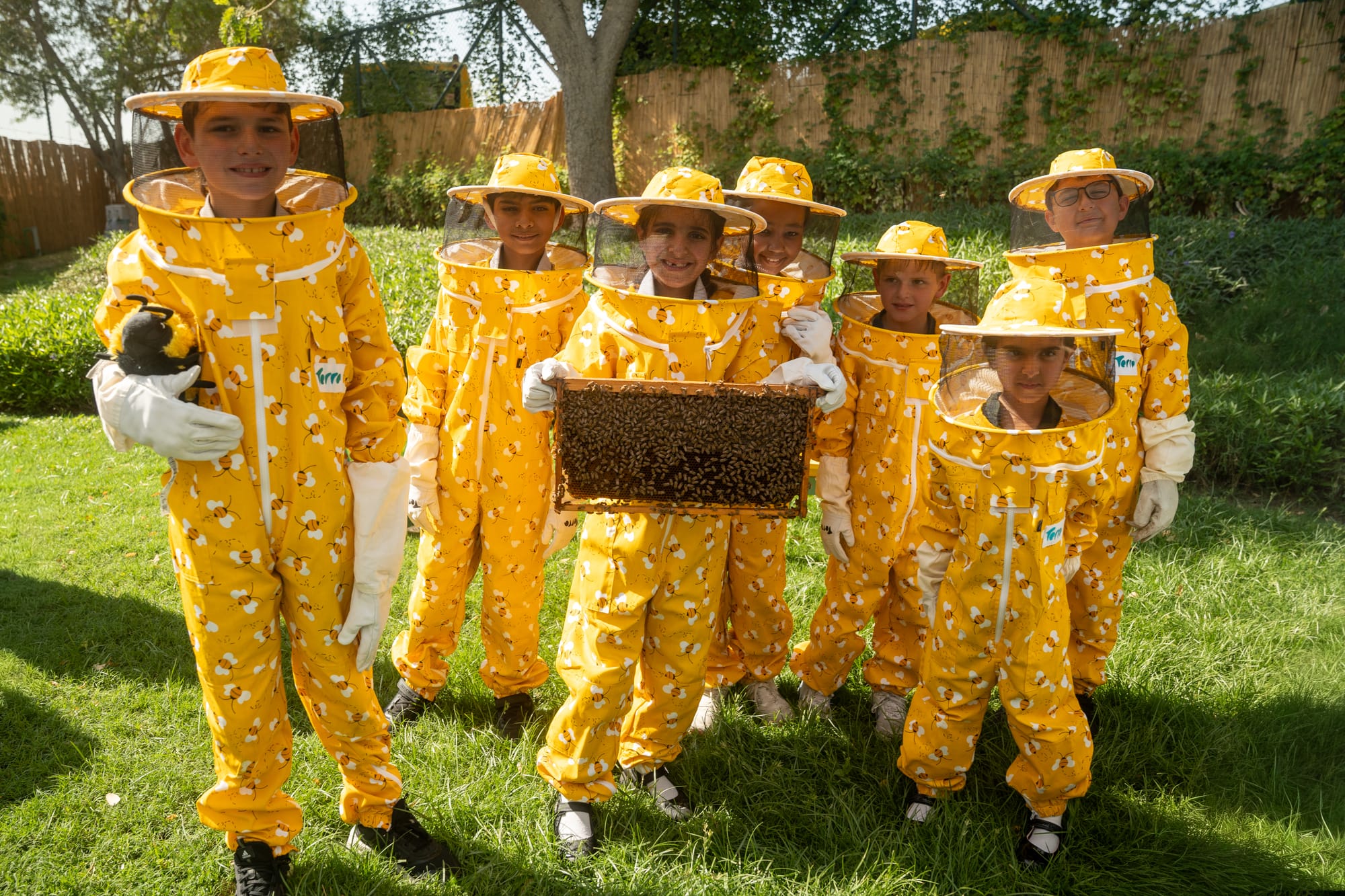
The formal partnership was signed at the school by Marjan Faraidooni, Chief of Education and Culture at Expo City Dubai, and Mira Al Futtaim, Chief Future Education Officer at Al-Futtaim Education Foundation.
Teachers at Deira International School have already completed beekeeper training in partnership with Terra. One of them, Aimee Thomas, said she submitted her application the moment the school announced it was looking for volunteers. ''I just have a real interest in bees. I''m from Manchester, and the worker bee is the symbol of Manchester, so it''s something that''s been important to me since I was growing up,'' she said.
Dr Meriem Hammal, who leads the Pollinator Programme at Terra Expo City Dubai, said the experience goes beyond ecology. ''It''s not only about environment. We are giving them skills. Beekeeping is a lifetime skill,'' she said. ''But also we are giving them those soft skills: how to learn to work together and how to analyse a situation.''
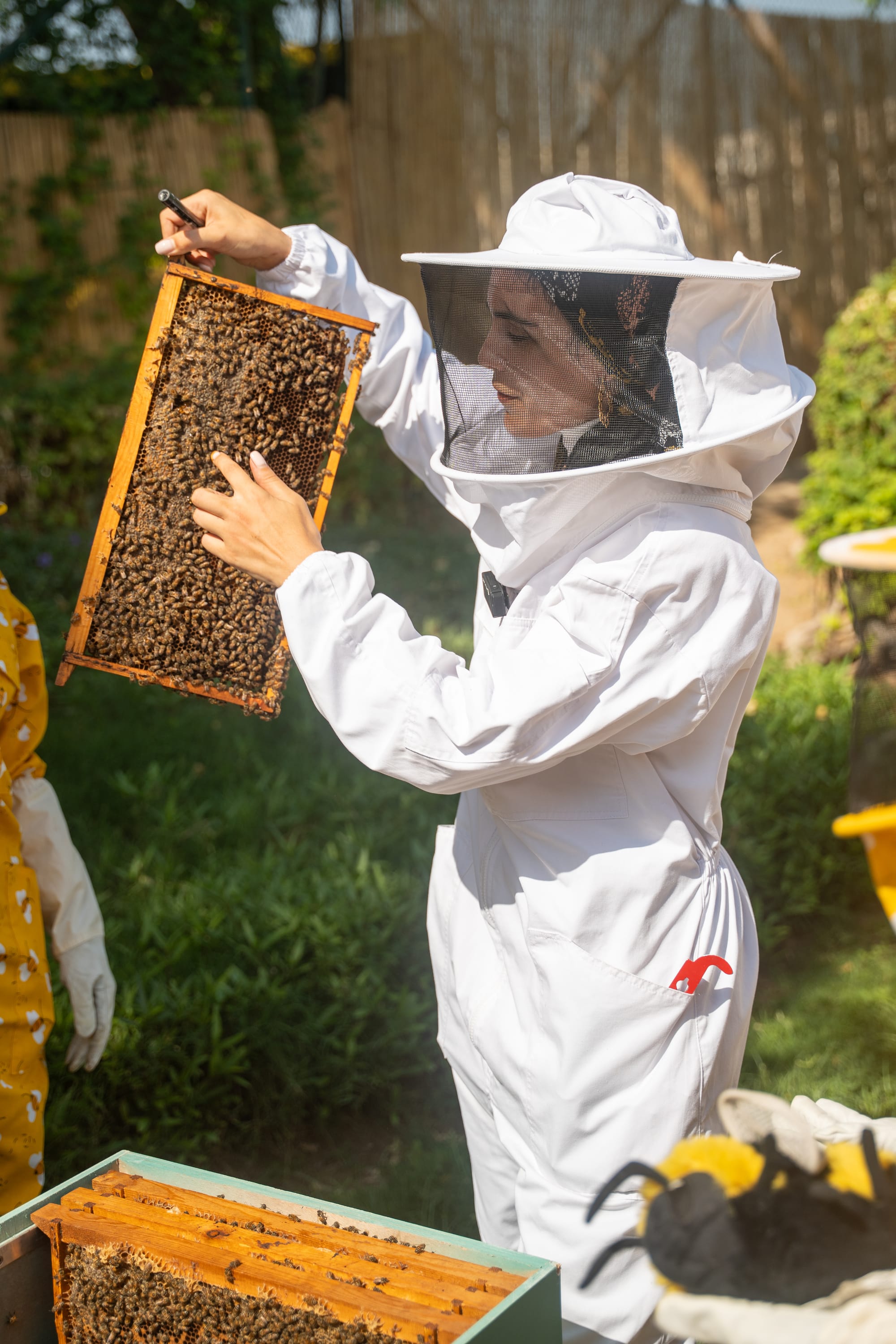
One detail she shares with students tends to stay with them. Bees maintain the internal temperature of a hive at 34 degrees Celsius.
In the Dubai summer heat, they collect water, fly into the hive, and fan their wings to hold that temperature steady. ''If you put your hand above the bees, you could feel almost like AC,'' said one teacher who was present at the installation.
Why it matters
According to Dr Hammal, bees pollinate 75 to 80 per cent of the food humans consume. ''Without them, we cannot survive,'' she said.
Urban pollinator programmes are increasingly seen as important for sustaining biodiversity as cities grow. The Hundred Hives initiative also aims to create long-term environmental monitoring sites, tracking how pollinators interact with native plants, soils, and local ecosystems over time.
''The future of biodiversity depends on connection,'' said Faraidooni. ''By bringing living ecosystems into schools, we are creating opportunities for young people to develop a deeper understanding of the natural world and their role within it.''
Dr Farah Sarraj, Chief Corporate Officer at Al-Futtaim Education Foundation, said the school believes ''some of the most meaningful learning happens when students can connect classroom concepts with real-world experiences.''


Comments ()