
SpaceX set to make its Nasdaq debut on Friday in what could be the largest IPO in US history
SpaceX is expected to begin trading on the Nasdaq on Thursday under the ticker SPCX, following pricing on Wednesday, in an initial public offering targeting a raise of $75 billion at a valuation of $1.75 trillion.
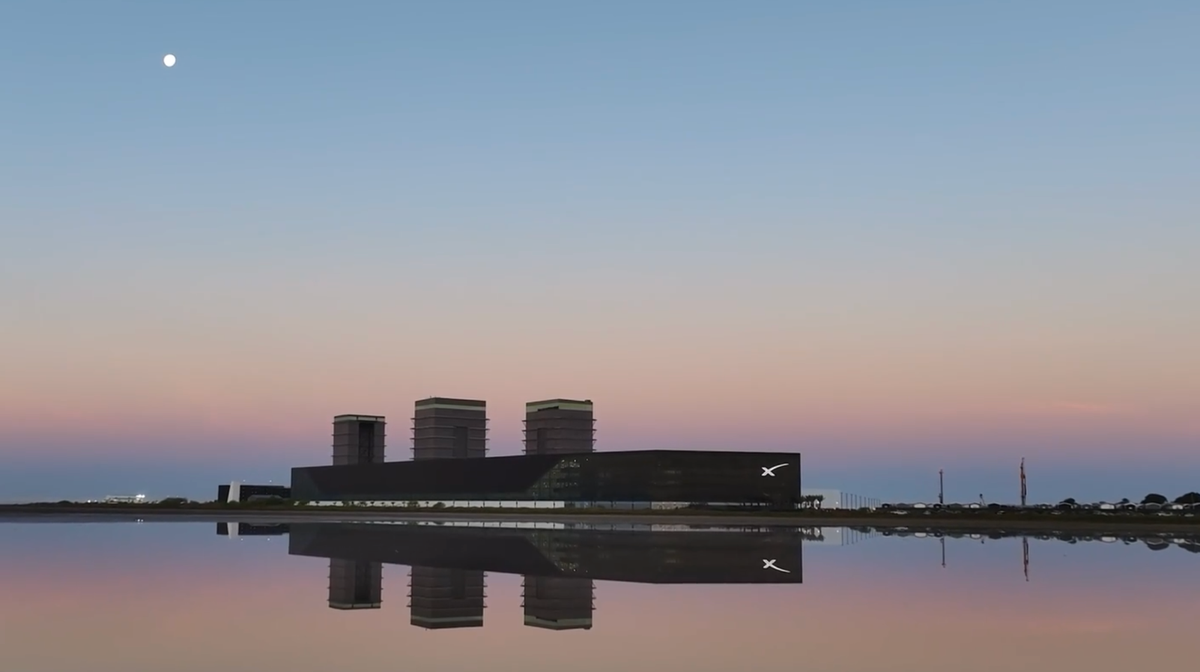
SpaceX is set to price its initial public offering today, 11 June, and begin trading on the Nasdaq tomorrow under the ticker SPCX. The company is targeting a raise of $75 billion at a valuation of $1.75 trillion, according to Reuters and Bloomberg.
The numbers
According to SpaceX's IPO filing with the Securities and Exchange Commission, the company generated $18.7 billion in total revenue in 2025, up 33% from $14.1 billion the year before. On an adjusted EBITDA basis, the company reported $6.6 billion in profit for the year. On a GAAP basis, SpaceX posted a net loss of $4.94 billion for 2025, with losses accelerating into 2026. In the first quarter of this year alone, the SEC filing shows a net loss of $4.28 billion on revenue of $4.69 billion. The accumulated deficit now stands at $41.3 billion.
The primary driver of those losses is artificial intelligence. According to the SEC filing, SpaceX's xAI operations lost more than $6 billion in 2025 and burned a further $2.5 billion in the first quarter of 2026.
The profitable core of the business is Starlink, the satellite internet division, which generated $11.4 billion in revenue in 2025, representing 61% of the company's total, and posted an operating profit of $4.4 billion, according to the SEC filing. Starlink crossed 10 million subscribers earlier this year, though average revenue per user fell 18% to $81 per month as cheaper consumer plans expanded the subscriber base.
The valuation
At $135 per share, the IPO price represents a 61% premium to SpaceX's December 2025 tender offer price on a post-split basis, after the company executed a 5-for-1 stock split in May. The implied market capitalisation of $1.75 trillion would place SpaceX behind only Apple and Nvidia among US listed companies, despite its ongoing losses.
At that valuation, SpaceX would trade at roughly 94 times its 2025 revenue, a multiple that analysts cited by Reuters say has no clear precedent among publicly traded companies.
The structure
Goldman Sachs is leading a syndicate of 21 banks on the deal. SpaceX broke with standard IPO practice by setting a fixed price of $135 per share from the outset, rather than announcing a price range and narrowing it through institutional bookbuilding, according to Reuters.
Founder Elon Musk will retain approximately 42% of the company's equity and 85% of its voting power through a dual-class share structure, according to the SEC filing, meaning public investors will have no practical ability to influence major decisions including mergers, acquisitions or executive pay.
SpaceX has said roughly 30% of its IPO shares will be allocated to retail investors, according to Reuters Breakingviews, far above the 5% to 10% typically allocated to individual investors in large IPOs. At $75 billion, that could amount to as much as $22.5 billion in shares directed toward retail accounts, though demand is reported to be approaching four times the number of shares available, according to Forbes.
Key contracts and debt
SpaceX holds several large commercial contracts central to its investment case. According to its SEC filing, these include a $30 billion cloud services agreement with Alphabet's Google running through mid-2029, and a contract with Anthropic worth $1.25 billion per month through May 2029, tied to the company's Colossus data centre in Texas, which houses 220,000 Nvidia GPUs. The Anthropic deal is worth roughly $40 billion over its life, though either party can terminate with 90 days' notice.
The company also generated $5.9 billion from US government contracts in 2025, drawn from agreements with NASA, the Department of Defence and intelligence agencies, according to its SEC filing.
On debt, SpaceX carries approximately $29 billion in long-term debt as of 31 March, the bulk of which is a $20 billion bridge loan maturing in September 2027, according to its SEC filing. According to Bloomberg, SpaceX has told investors it has secured investment-grade ratings from Moody's, Fitch and S&P Global, though none of the three agencies has publicly confirmed this. Fitch told Bloomberg it has not published a rating on SpaceX. S&P told Bloomberg it has not issued one either. Bloomberg also reported that CreditSights analysts expect SpaceX to tap investment-grade debt markets shortly after the IPO closes.
Retail investors and the flipping question
The unusually large retail allocation has drawn significant attention. Jay Ritter, director of The IPO Initiative at the University of Florida, told Forbes that retail investors could collectively receive more shares in this single offering than they have across many IPOs combined over the past decade.
That scale raises a practical question for individual investors. Many brokerages penalise customers who sell newly allocated IPO shares too quickly, a practice known as flipping, by restricting their access to future offerings. According to Forbes, Robinhood suspends access for 60 days for customers who sell within 30 days. SoFi imposes a 180-day suspension on first offence and may charge a $50 fee for sales before the 120th day of trading. Fidelity flags customers who sell within the first 15 days and may impose restrictions for repeat behaviour. E*Trade limits future participation for customers who sell within 30 days.
Ritter told Forbes there is no guarantee a stock that surges on day one will keep rising.
What comes next
Reuters Breakingviews noted that if investor appetite absorbs SpaceX at this scale, it would provide a blueprint for OpenAI and Anthropic to proceed with their own listings, both of which have filed confidentially. However, the same analysis cautioned that three mega-listings of this size in a single year would concentrate a significant portion of available capital into very few deals, potentially leaving limited room for smaller companies seeking to go public.
SpaceX's first earnings call as a public company is expected in September, according to Reuters. Lockup expiration, typically 90 to 180 days from listing, falls in the December 2026 window, at which point early investors, employees and syndicate banks would all become potential sellers simultaneously.



Comments ()