
Desi rap in the UAE: from a barbershop cypher to a business

Dubai, UAE: Mohammed Anas was 17 when he saw a poster for a rap cypher on another artist’s story. He had no car and no income. He lived in Sharjah, and the cypher was in a Dubai barbershop. “I really struggled to get there. But that’s where everything started,” he says.
Now 18 and rapping as Jazzy, he has released his first single, Yasuke, with L/CKS DXB, a new platform for Desi rap in the UAE. It is one of two official releases so far.
The other is Khalli Walli, by a 21-year-old rapper from Pakistan who goes by Abid.
Desi talent in the UAE is everywhere except the spotlight, says Iqbal Hussain, the founder of L/CKS DXB. His youth-focused online talent and entertainment channel aims to give young people in the South Asian community the chance to grow their creativity in music.
Before L/CKS DXB was a business, it was a room in a barbershop. In August 2025, Hussain started holding cyphers at Hair Hunchos, a friend’s shop in Dubai. The idea, in his words, was “just getting artists in a room and letting them spit”.
Jon Veloso, the owner of Hair Hunchos, has known Hussain for a long time. “We grew up together in the UK,” he says. “I believed in his vision. I knew he was onto something.”
In September 2026, L/CKS DXB officially became a business, according to Hussain. Several shows are in development.
Fighting for attention
Building the platform means competing for visibility every day, explains Hussain.
“Algorithms don’t care about your mission, so you’re constantly fighting for attention. And finding artists who are serious enough to show up consistently takes work.”
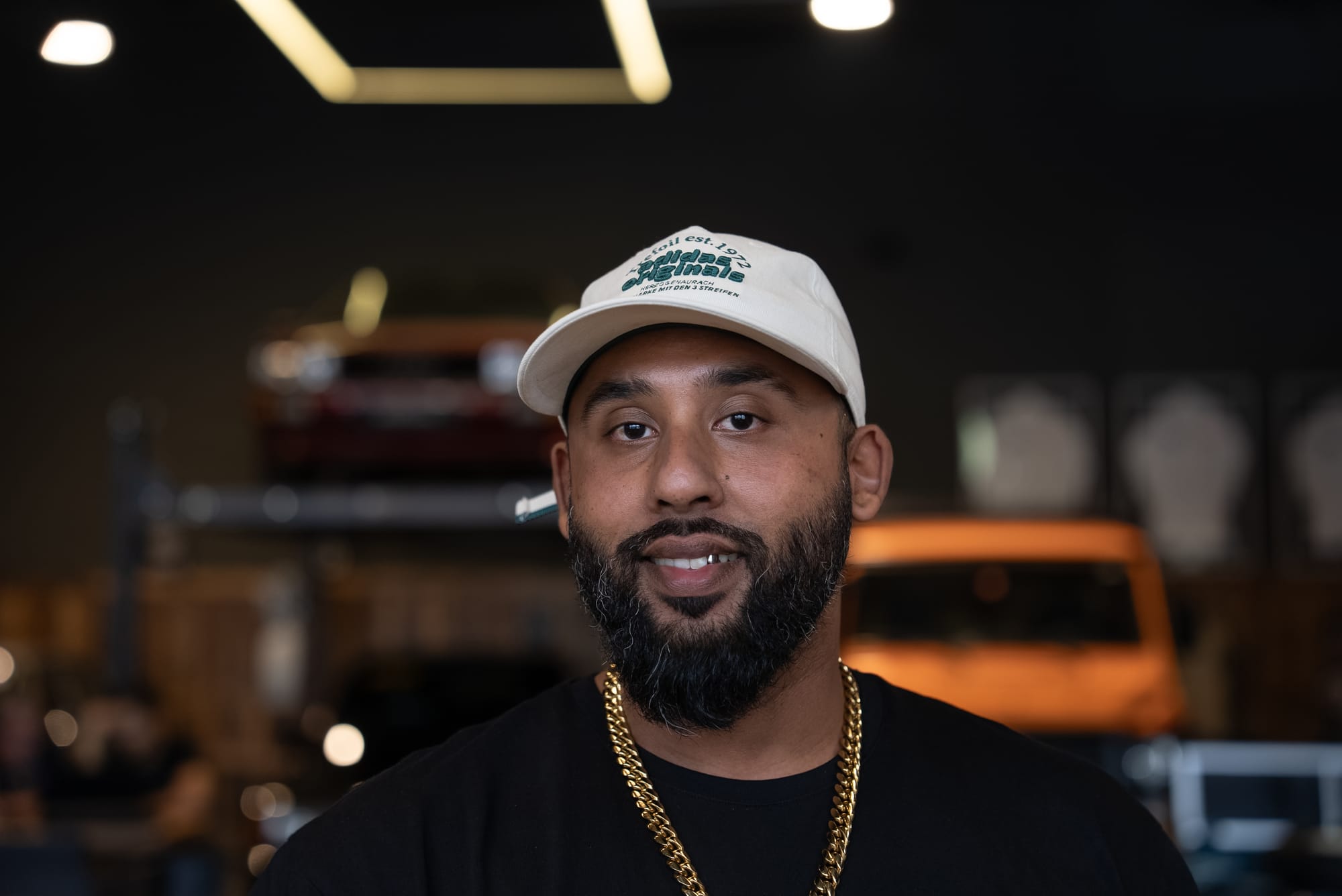
LICKS is the name people have called him for years. He wanted the platform to carry it: “I didn’t want a corporate name. I wanted it to feel personal, because a platform like this only works if the scene trusts the person behind it.” DXB tells people where the team is building. The tagline does the rest: “Gulf Made. Desi Bred.”
‘Something new’
A Desi, according to the Oxford Learner’s Dictionaries, is “a person of Indian, Pakistani, Bangladeshi, or Sri Lankan birth or origin who lives abroad”. It is a story Hussain knows from the inside.
He was born and raised in London, in a South Asian family. He grew up alongside Bengali, Pakistani, Indian, Caribbean, African, Turkish and white working-class families. His soundtrack was grime, jungle, drum and bass, rap and R&B.
“Back home I saw how the scene built its own platforms and turned unknown kids into stars,” he notes. Hussain moved to the UAE eight years ago. When he arrived, he saw the opposite.
What he found instead was a generation he recognised.
“[South Asian kids born or raised in the UAE and the wider Middle East are] not fully from ‘back home’, and they’re not Emirati or Arab either. They’re something new.”
Iqbal Hussain, founder of L/CKS DXB
They grew up on a mix of karak and shawarma, Bollywood and Arabic pop, hip-hop and qawwali, he explains. Plenty switch between Urdu, Hindi, Punjabi, Malayalam, Arabic and English in a single sentence.
Many of them, he believes, have never had a scene that speaks to that identity, “and that’s exactly what comes out in the music”.
Hussain sees himself in them. Growing up in East London, he was also a South Asian kid caught between cultures, picking up everyone’s slang and turning it into something new. That experience, he explains, is why he understands these young people and believes they deserve a platform that speaks their language.
Two artists, two languages
Jazzy, rapping in Hindi
Jazzy, who is from Goa in India, has been making music since 2023. Before L/CKS, he recorded himself on his phone and posted only on Instagram.
Jazzy raps his own verses from his phone at his home in Muwaileh, Sharjah, on 29 November 2025, in an informal, off-the-cuff session. Video: Supplied
At first, he recalls, people made fun of him. “I never got much support, but I never stopped.”
He raps in Hindi and has listened to Desi artists such as Emiway, Seedhe Maut and MC Stan since he was 11. “I make music in Hindi because I want to represent Desi hip-hop in the Middle East.”
Yasuke takes its name from the African samurai who served in Japan, he explains. The song is about keeping a small circle of people who have always supported you. “I call them asli log, ‘real people.’”
He wrote the lyrics in four days and sent Hussain a demo. “His reaction was crazy,” Jazzy remembers. “He said, ‘BROTHER, WHAT ARE YOU SENDING ME?’ At first I thought I’d messed up, but then I realised he was surprised by what I’d written.”
The finished track was a turning point.
“I felt like an artist for the first time. A complete song, properly mixed, mastered and composed, on a beat that wasn’t from YouTube.”
Jazzy, rapper
Since the release, he adds, people his age stop him to ask about it. “Even the janitors at my school know about it.”
Abid, rapping in Urdu
Abid has been making music since he was 15, first in rented studios and later in a studio he built in his car. By his own count, his earlier songs drew around 1,000 views, and the people in his area backed him.
He met Hussain at one of the barbershop cyphers. “I liked his idea of taking hip-hop from Dubai to an international level. That means a lot to me, because we never had that here.”
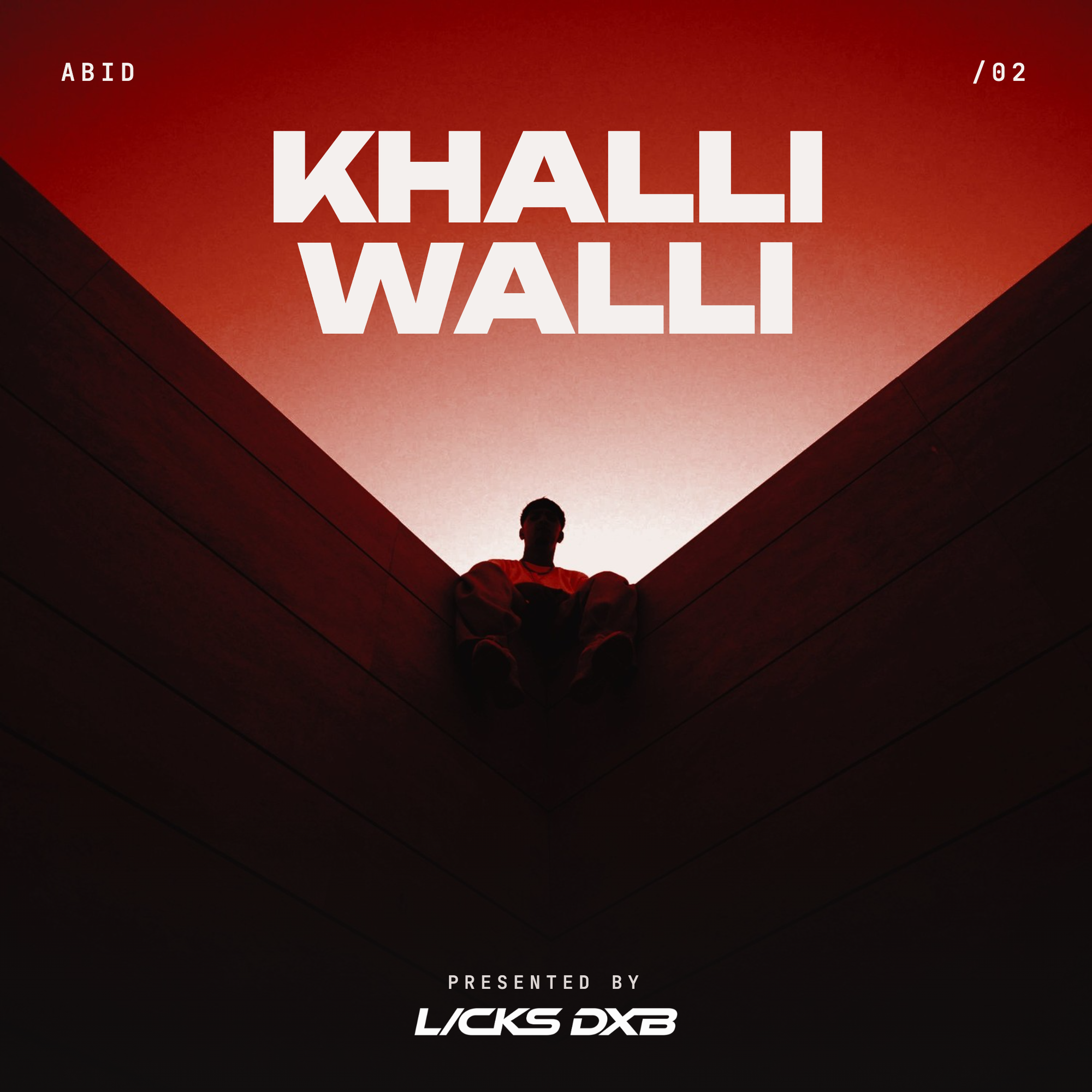
Khalli Walli, Abid explains, is a slang mix of Arabic and Urdu that he uses in daily life. “When there’s something or someone I don’t need around me, we don’t explain, we just say khalli walli: let it go, bro.”
The track began as a freestyle. “LICKS sent me the beat, I mumbled over it and freestyled the hook, and ‘Khalli Walli’ came out.”
Working with a team was new to him. “LICKS was always on our case to finish it, pushing us and bringing new ideas. The whole Khalli Walli video shoot was a new experience for me, honestly, and I learned a lot.”
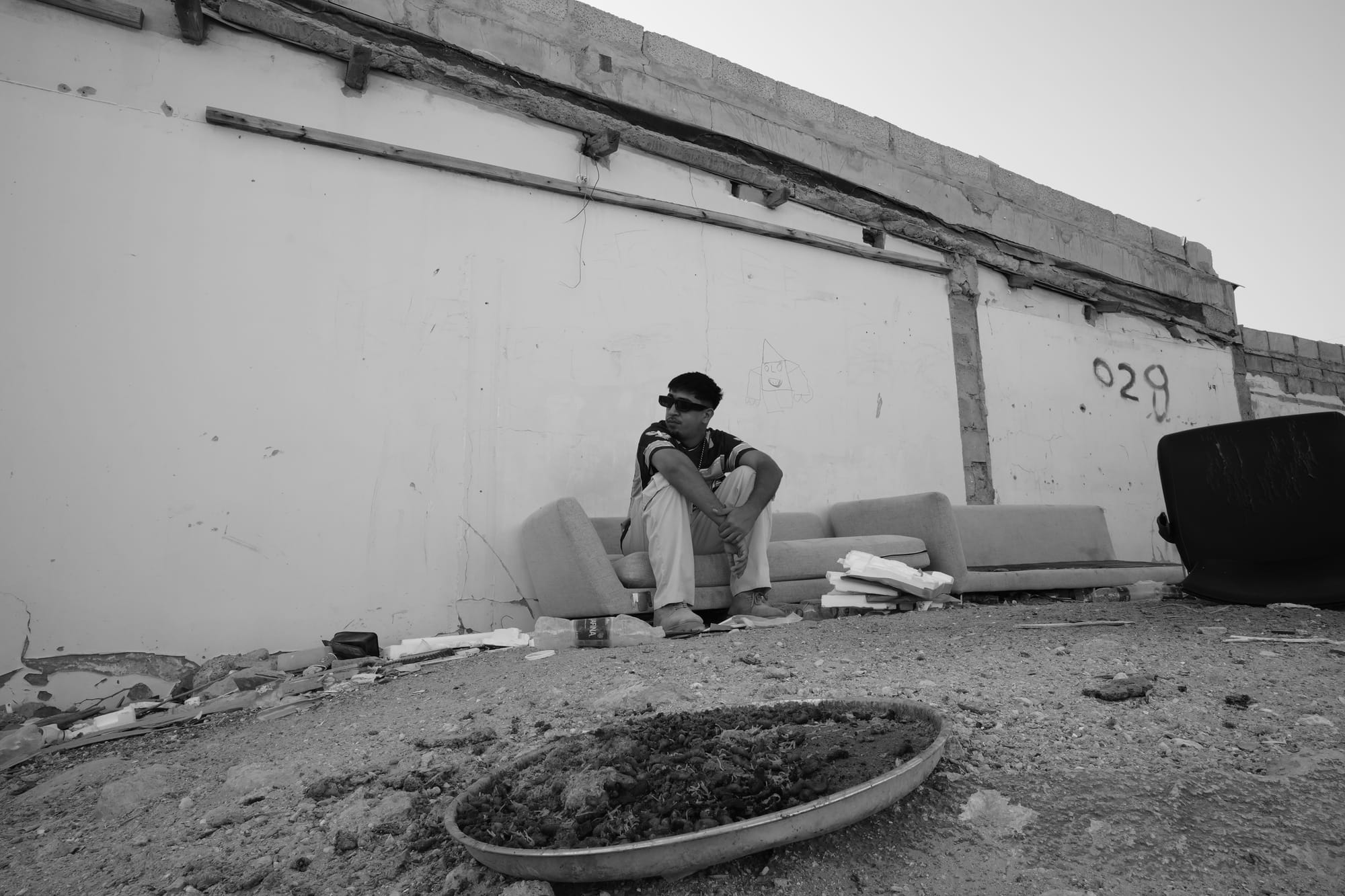
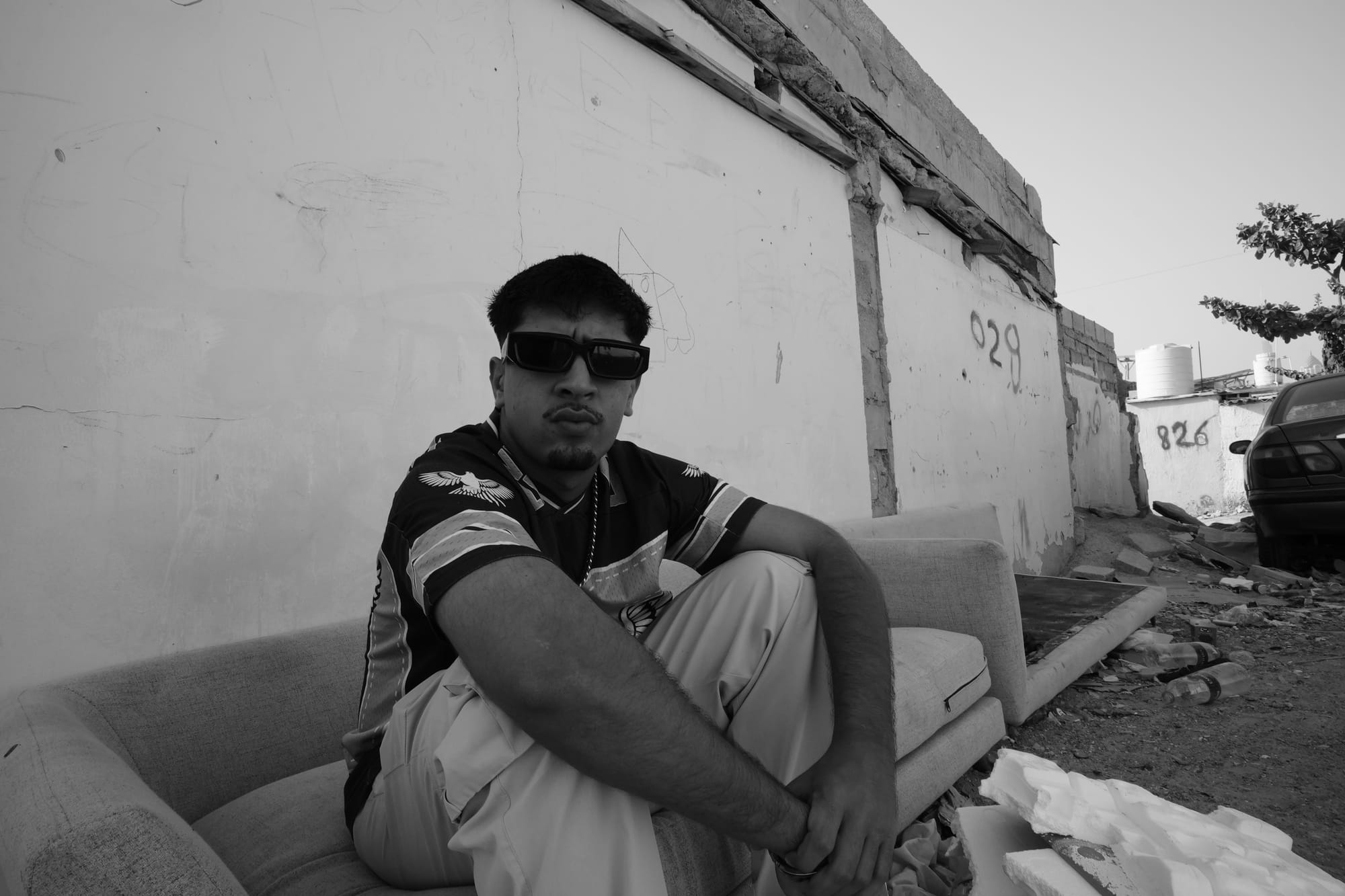
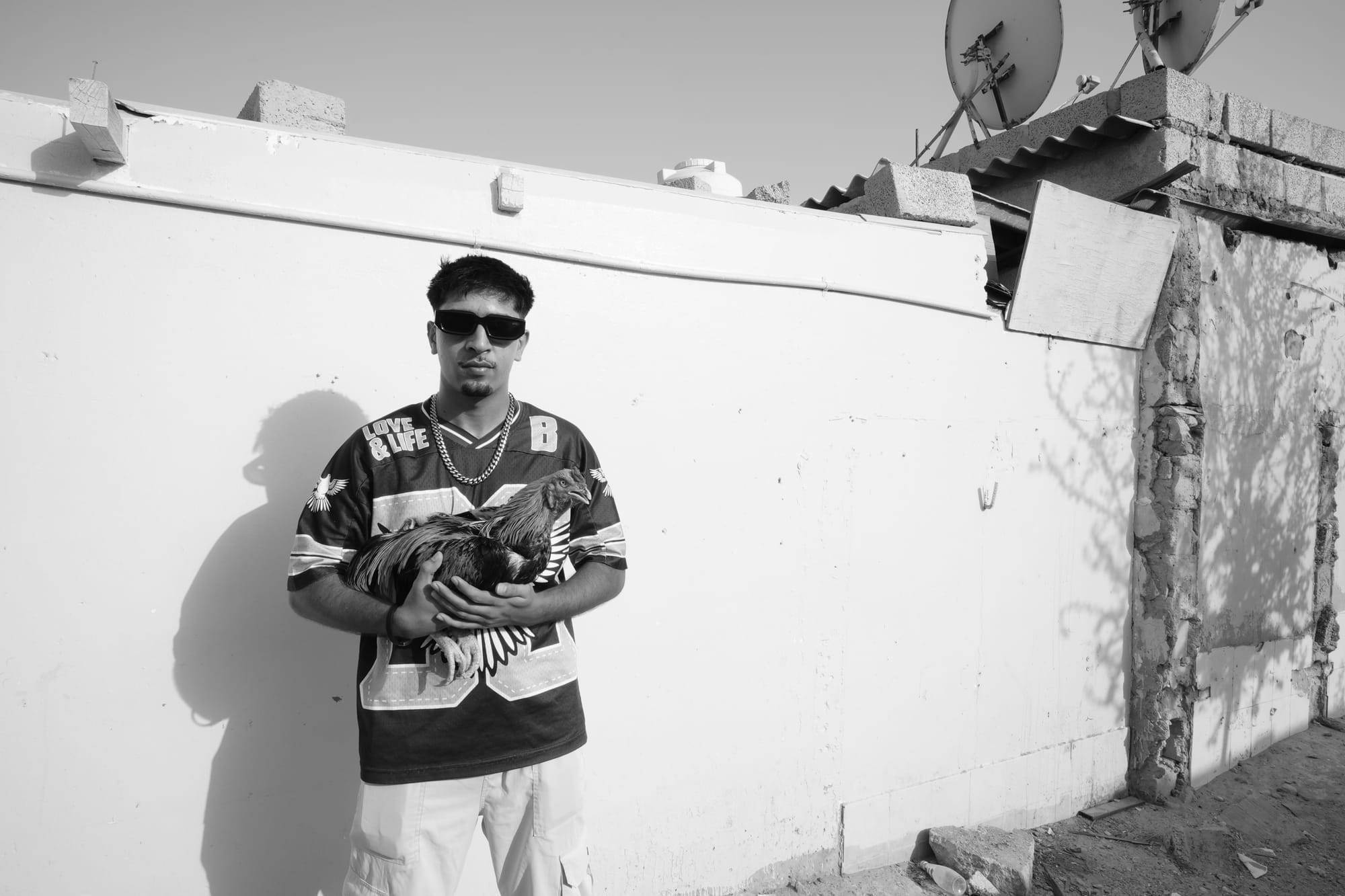
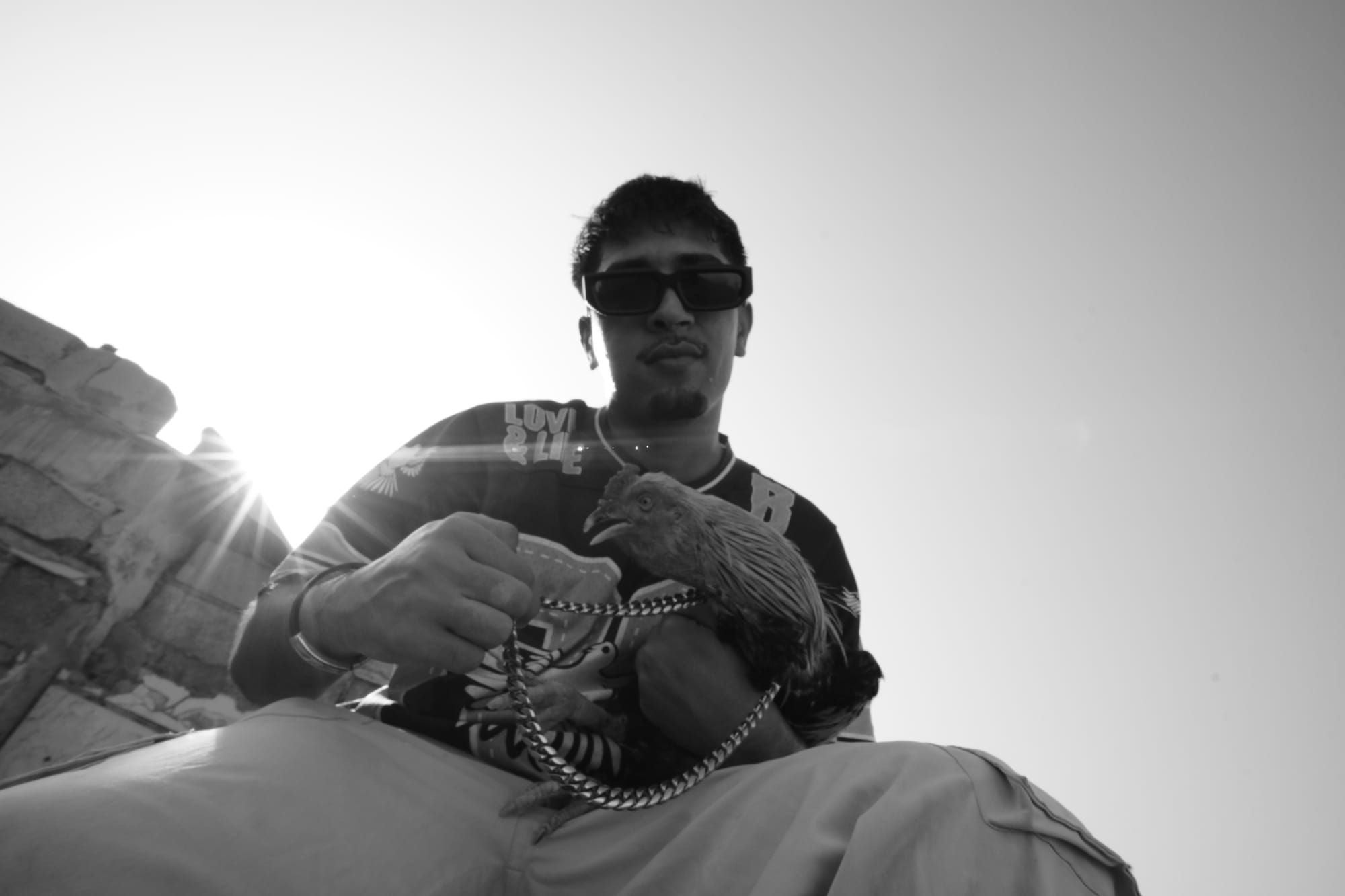
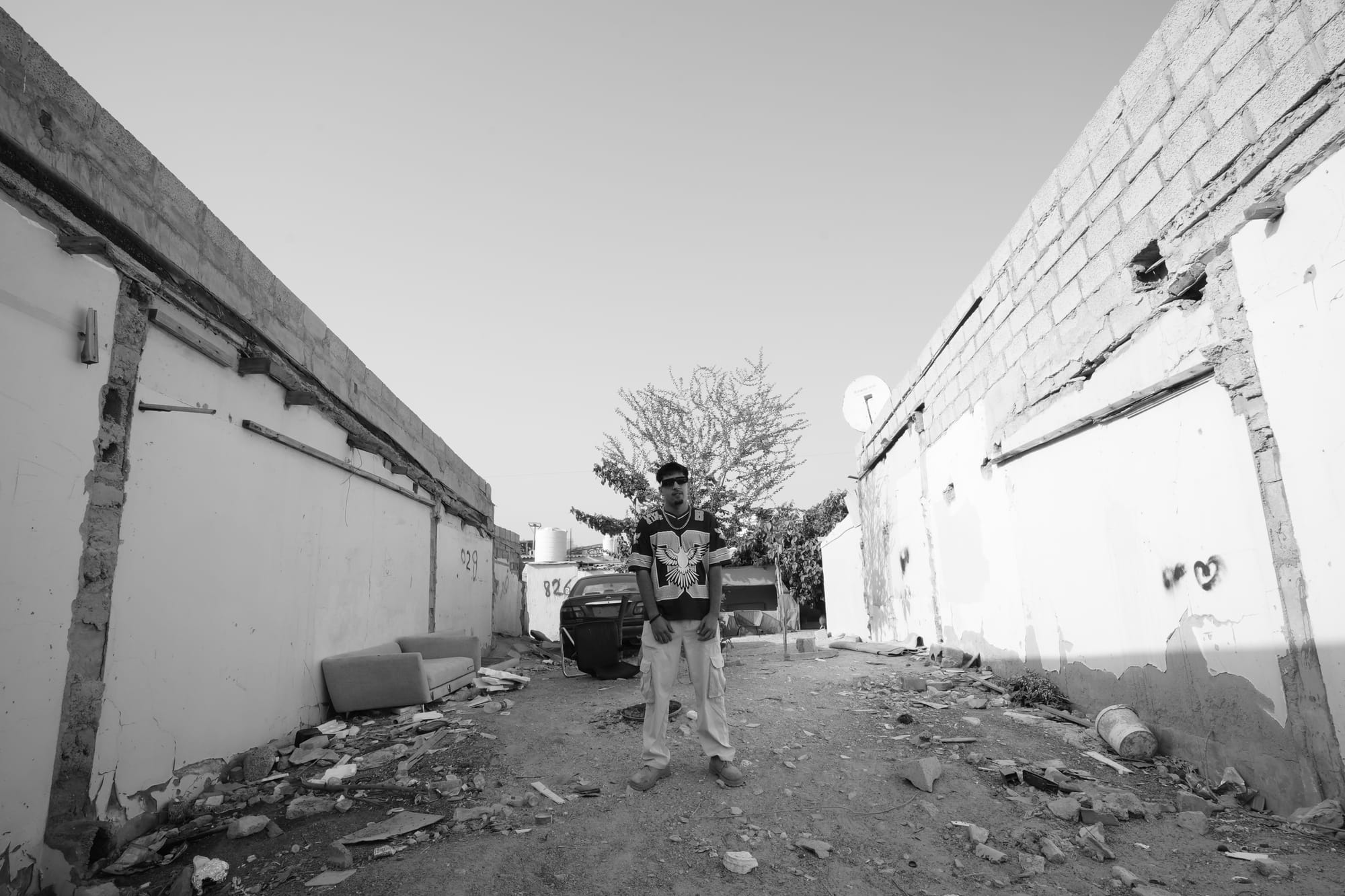
Abid in Al Quoz, Dubai, during the shoot for the Khalli Walli music video. Photos: Iqbal Hussain
His language is Urdu. “Urdu is known for its poetry, but if you bend it a bit and put it into rap, it sounds fire.”
Hussain’s description of a generation that is “something new” fits him as well, Abid agrees. “We always want to make this place feel like home too, and music is the best way to do that.”
Behind the boards
WE3ZO, a rapper, singer and producer, made the beats for both singles, he explains. Abid recorded his Khalli Walli verses in his car, and WE3ZO then mixed and mastered the track in his studio.
His own sound reflects the same blend. “My sound is a mix of cultures: Arabic and Khaleeji music, my Balochi roots and Desi hip-hop,” he notes. He resists labels: “I don’t want to be boxed into one genre or follow a formula.”
‘Just not in the spotlight’
On stage and on screen, Hussain sees little of South Asian culture.
“The culture is in the food, the language and the streets, just not in the spotlight.”
According to the Embassy of India’s most recent estimate, around 4.3 million Indians live in the UAE, roughly 35 per cent of the population. They form the largest foreign community, followed by Pakistanis, according to the UAE’s Ministry of Foreign Affairs. That presence, Hussain argues, is not reflected in the music media, the line-ups or the labels.
The gap has also been documented in the UK, a market where, as Hussain points out, South Asian music has a longer history. In a 2025 survey of South Asian music creators and professionals in the UK, the music organisation Lila found that 68 per cent of respondents feel South Asians are still poorly represented or not represented at all. Asked what held them back, 62 per cent of respondents pointed to the lack of South Asians in industry positions, and 58 per cent reported limited access to opportunities such as festival bookings, label meetings and media coverage.
Much of the talent, in his view, stays in bedrooms and on phones. “Young Desi artists here are recording at home and uploading to nobody.” When South Asian artists do get booked, he adds, it is usually for Bollywood nights or cultural events, “not as rap or hip-hop artists in their own right”.
The two artists’ experiences differ. Abid has found his way onto some stages, performing at a few hip-hop events around the UAE. The stage, he explains, brings its own challenges. “Live is a whole different thing from the studio. You need mic control, and you need to learn to read the audience instead of getting caught up in anxiety. That comes with practice.”
Jazzy has never been booked, apart from school talent shows he signed up for himself.
The gap extends behind the scenes, where there are very few South Asian A&R executives, managers, platform owners or decision-makers, according to Hussain. “Without them, the artists don’t get through the door.”
Abid puts it more simply: Desi artists need more appreciation.
“A lot of guys out there have been struggling for a long time, trying to make it, and they’re underrated.”
A natural crossroads
For LICKS, the case for Desi rap in the UAE is about more than population figures. The country, in his words, is “everything” to his work.
“The UAE has one of the largest South Asian communities in the world outside South Asia, a young audience that’s very online, and a government that is actively investing in the creative economy.
“It sits between South Asia, the Arab world and the West, so it’s a natural crossroads. If Desi rap and hip-hop is going to have a home base in this region, it should be here.”
Earlier this month, the UAE launched a $1 million initiative for content creators, as The Gulf Edition reported. It aims to help 100 of them turn their ideas into businesses.
The country gives him a backdrop too.
“You can film in the desert, in the mountains, in old Deira and in a supercar city, all in one day, and it looks like nowhere else.”
It also comes with limits he has learnt to work within: “Content here has to respect the culture and the law, so you learn to be creative within the lines, and honestly that makes the work sharper.”
A seven-day operation
For now, Hussain does most of the work himself. He scouts artists, plans shoots, films, edits, designs cover art and manages release schedules. Every release, he explains, comes with a collaboration agreement, so everyone knows their split and their rights.
All of it happens around a day job in film production, in early mornings, evenings and weekends. It’s a seven-day operation for him.
The team recently grew by one. Hussain’s barber, Sky Drums, has joined as in-house producer and will take over the beats for the INVITE ONLY freestyle series. He may handle the cyphers too. “He’s actually my barber, and he’s also a phenomenal producer,” Hussain notes. The artists, as he puts it, “bring their pen”.
His biggest challenge is time. Money is another: “I’ve funded everything out of my own pocket to date.” There is no real investment structure in the UAE for this kind of music yet, he adds. Then there is the perception that Desi rap and hip-hop is niche.
For him, the reward comes when an artist hears their work done properly: “Seeing an artist hear their song properly mixed, watch themselves on screen and realise they’re not just a guy with a phone anymore. Giving someone their first proper platform is the whole point.”
Jazzy describes that moment from the other side. “I was shocked. I’d never seen my music reach that level.”
What comes next
Hussain’s long-term goal is to make L/CKS DXB the go-to platform for Desi rap in the UAE and the wider Middle East. That means developing artists and getting them onto major stages and festivals. Eventually, he wants to build label, management and live events arms, “so talent doesn’t have to leave the region to make it”.
When people comment “finally, someone’s doing this for us”, he reflects, “that’s when it feels worth it”.
For Abid, this is only the beginning: “Khalli Walli is just the start.”
For Jazzy, who once struggled to get from Sharjah to a barbershop in Dubai, the ask is simple. “Support. That’s all I need.”

Comments ()