
As UAE rethinks fashion, could swimwear be part of the change?
The swimsuit is doing more than making a statement about style. It is being asked to accommodate bodies, beliefs, movement and real life, while increasingly being expected to leave a lighter footprint behind.
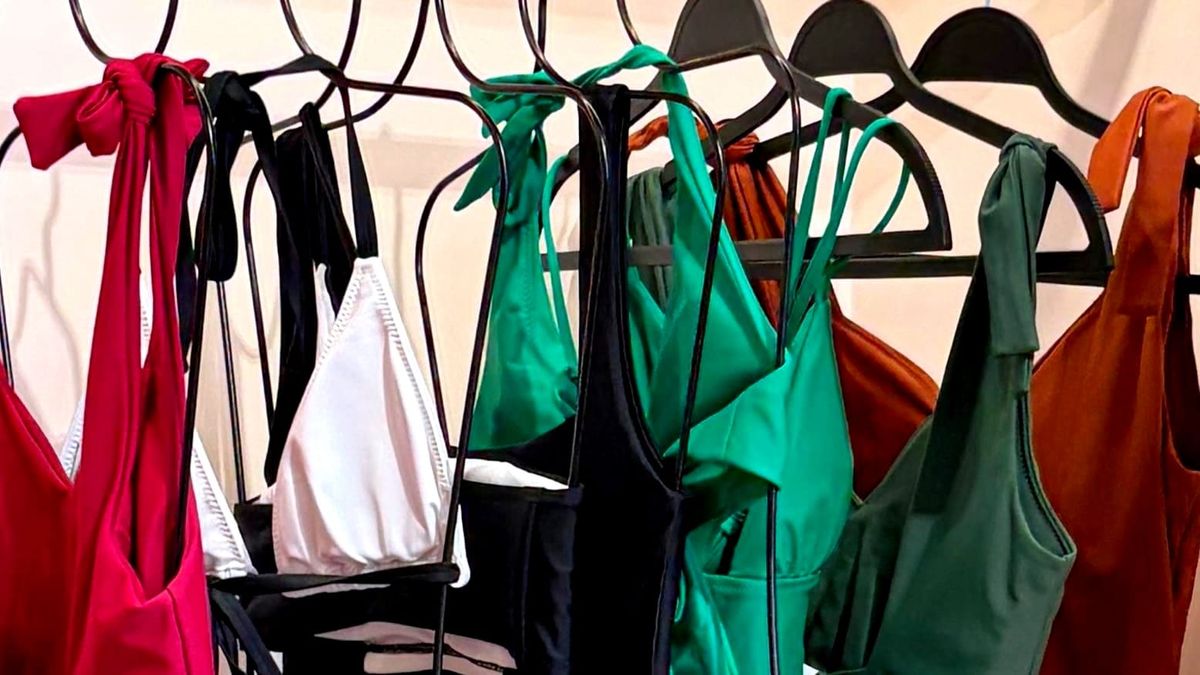
Abu Dhabi, UAE: At Saadiyat Beach, a swimsuit can have a surprisingly long list of jobs. While one can needs to provide more coverage and give her enough freedom to move. Sixteen-year-old Nawal Tamim is thinking about body shape, colour and whether the cut suits her. For Suzan Ajok, a 27-year-old lifeguard, comfort has a more immediate purpose: her uniform needs to let her get into the water quickly when someone needs to be rescued.
The swimsuit, in other words, is doing more than making a statement about style. It is being asked to accommodate bodies, beliefs, movement and real life, while increasingly being expected to leave a lighter environmental footprint behind.
Lotfy, who is from Cairo, was wearing a white-and-navy one piece swimsuit when at the beach. The design mattered to her, but so did what the garment allowed her to do. She wanted a feeling of freedom rather than having to constantly think about how the swimsuit was sitting on her body.
Modesty is part of that equation, too. For some women, finding swimwear that feels right does not necessarily mean finding the smallest or most revealing cut. It can mean finding something that provides enough coverage to feel comfortable while still allowing them to swim, walk, sit in the sun or play with their friends without adjusting the garment every few minutes.
Next to her, Tamim, 16, had another set of considerations. She was wearing a burgundy swimsuit with straps at the back and more coverage at the front. She pays attention to body shape, but also to colour and how the design works with her appearance. She had also heard about biodegradable swimwear, a reminder that sustainability is beginning to enter the conversation even among younger consumers.
None of these concerns sounds particularly radical. But together they expose one of the less-discussed problems in sustainable fashion: eco-friendly materials are not enough to make a clothing item successful; the item must also be functional, comfortable, and practical for the consumer.
Swimwear and practicality
Ajok has worked as a lifeguard in the UAE for a year. For her, the uniform is not simply beachwear. It is equipment. A lifeguard may spend hours waiting beside the water, but the moment someone needs help, the calculation changes. There is no time to stop and adjust a swimsuit, worry about whether it restricts movement or hesitate before entering the water. Ajok says the uniform needs to be comfortable and practical enough for her to do her job without wasting time.
Her relationship with water began long before she arrived in the UAE. Growing up in South Sudan, she remembers going to the Nile as a child. The river was part of everyday life, even when her parents warned her against going. Today, she works beside the sea in Saadiyat, where her relationship with water has taken on a different meaning: instead of entering it simply for herself, she may have to enter it to make someone else safe.
It is a useful reminder that “inclusivity” in clothing does not always mean the same thing. For one woman, it may mean a swimsuit that accommodates her body. For another, it may mean enough coverage to feel comfortable. For someone else, it can mean being able to move quickly and confidently in an emergency.
How long will the garment actually last?
The fashion industry's sustainability conversation has increasingly moved beyond simply calling something “eco-friendly”. Consumers are asking where clothes were made, who made them, what they are made from and whether they will still be useful after repeated wear. Mihaela Ungureanu, founder of UAE-based swimwear label EDOS, says she has noticed that shift among consumers over the past few years. “People are becoming more conscious about their purchases and are looking beyond aesthetics alone. They want to understand the story behind a product, where it is made, who made it, what materials are used, and how it reflects their values.” She argues consumers are increasingly choosing, looking for pieces that combine design, performance and responsible values.
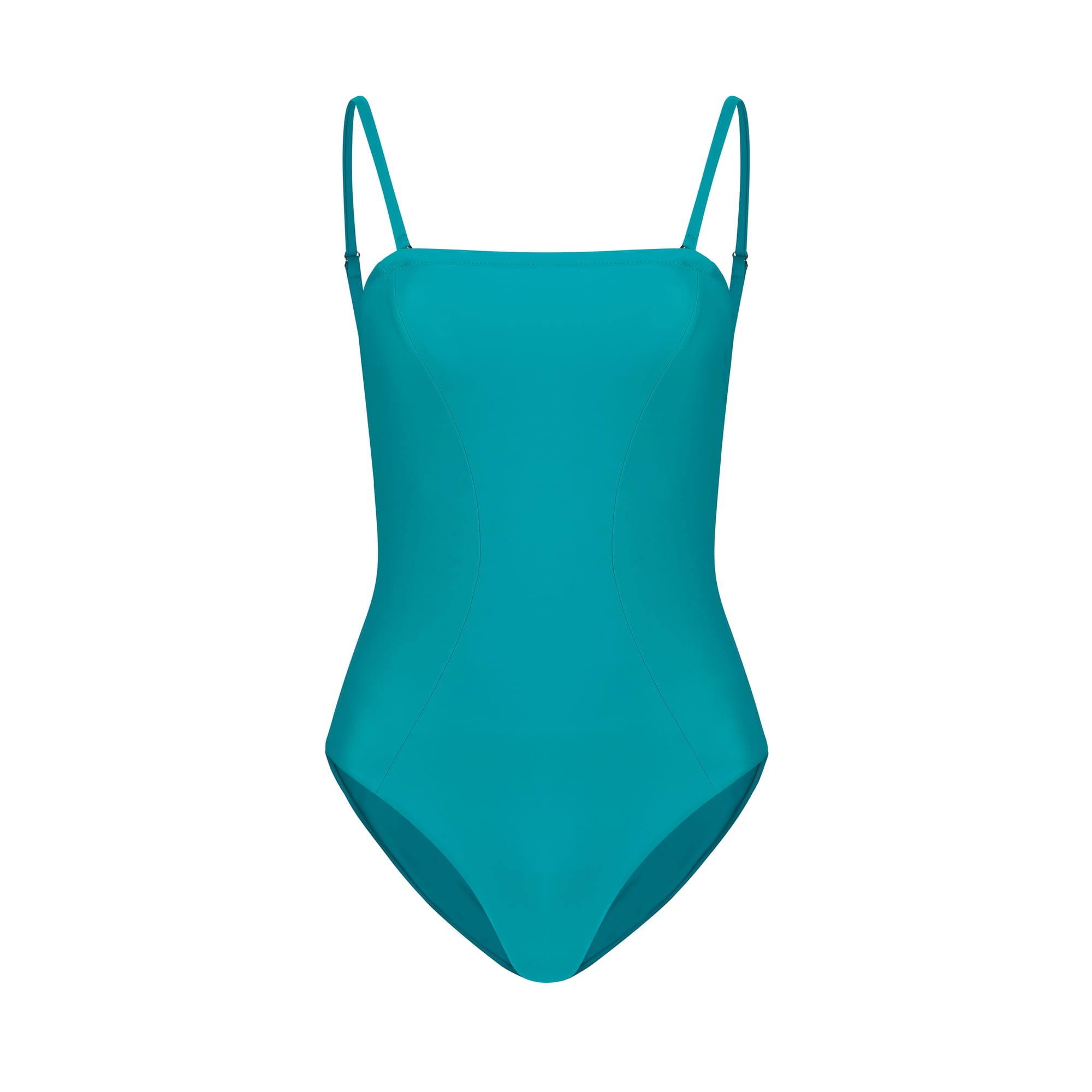

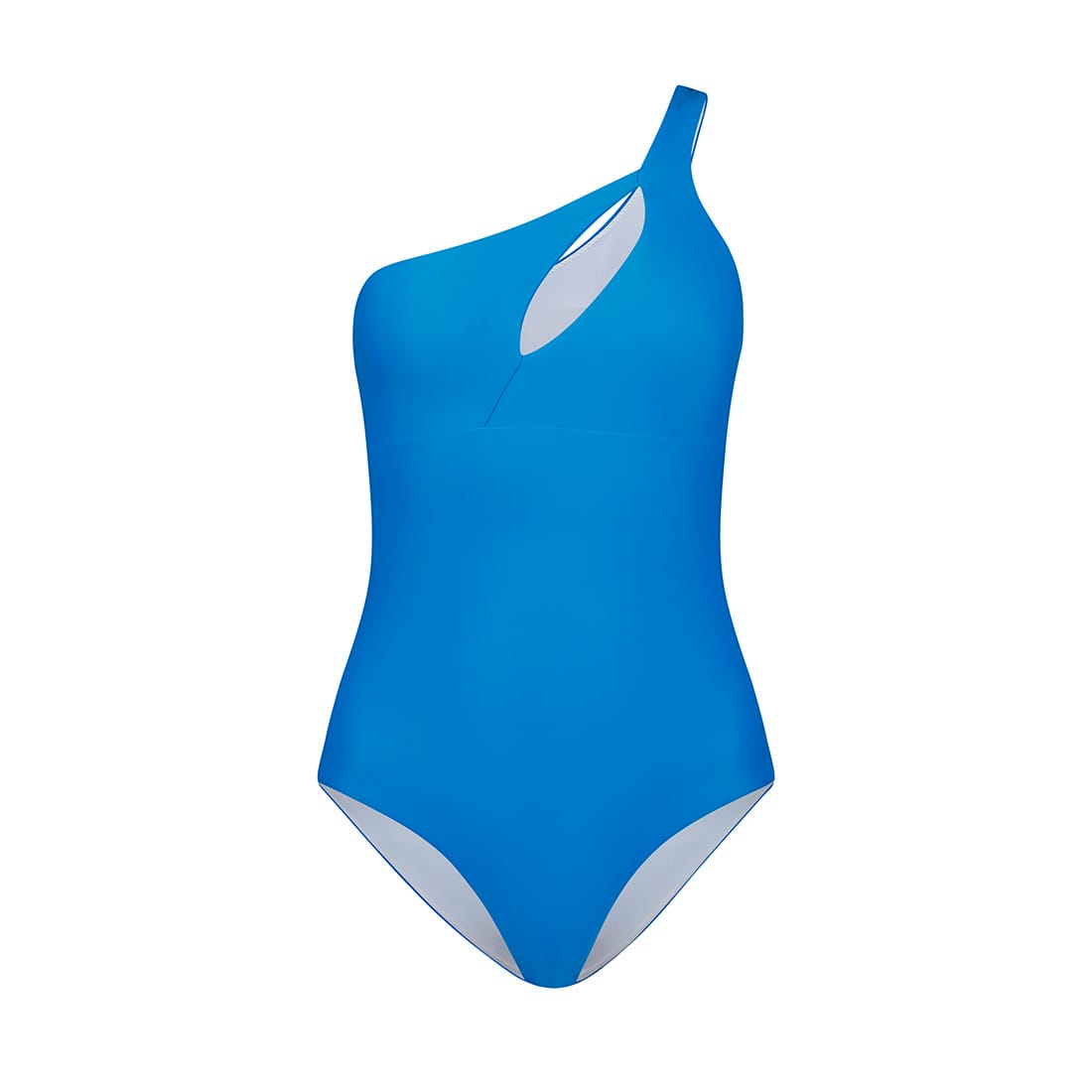
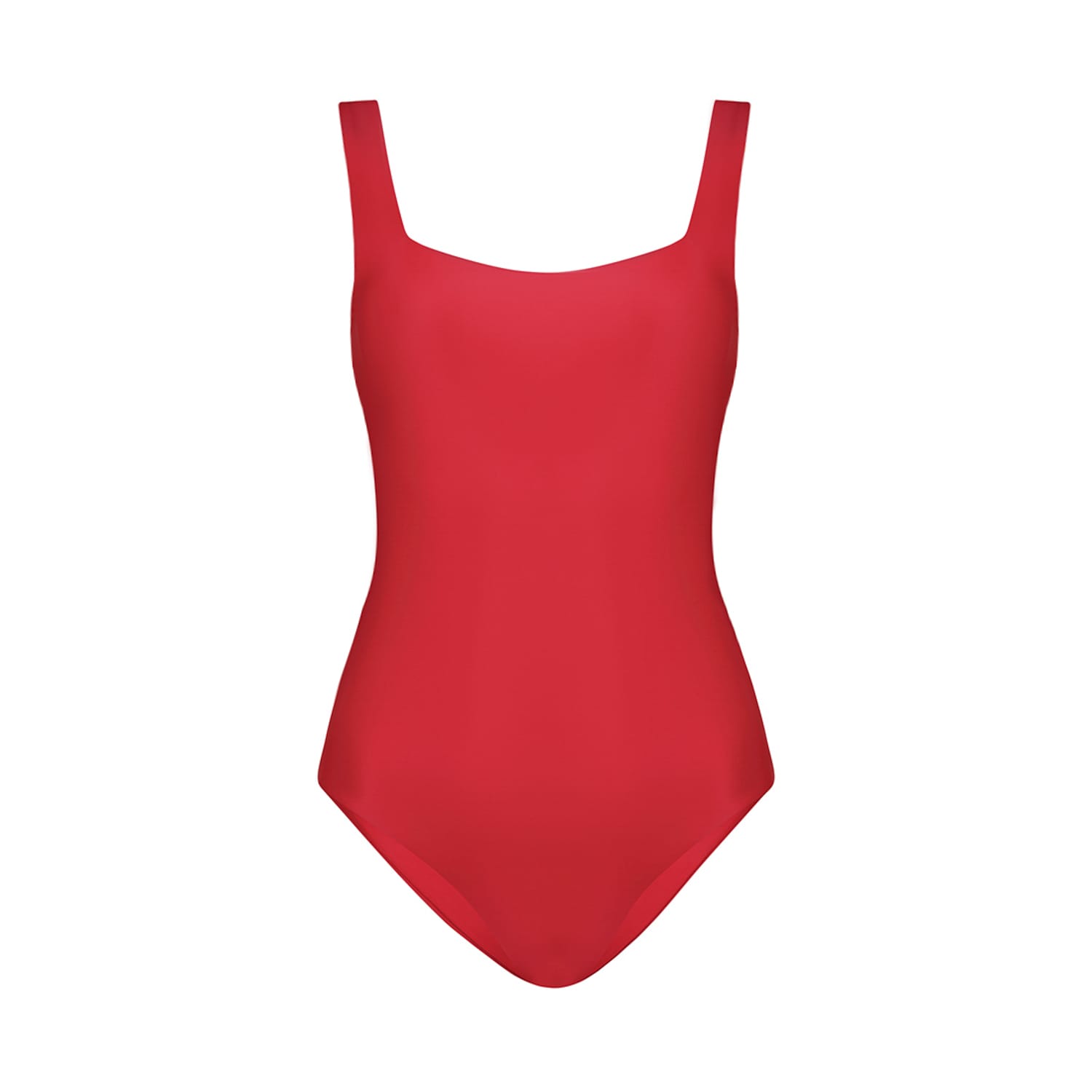
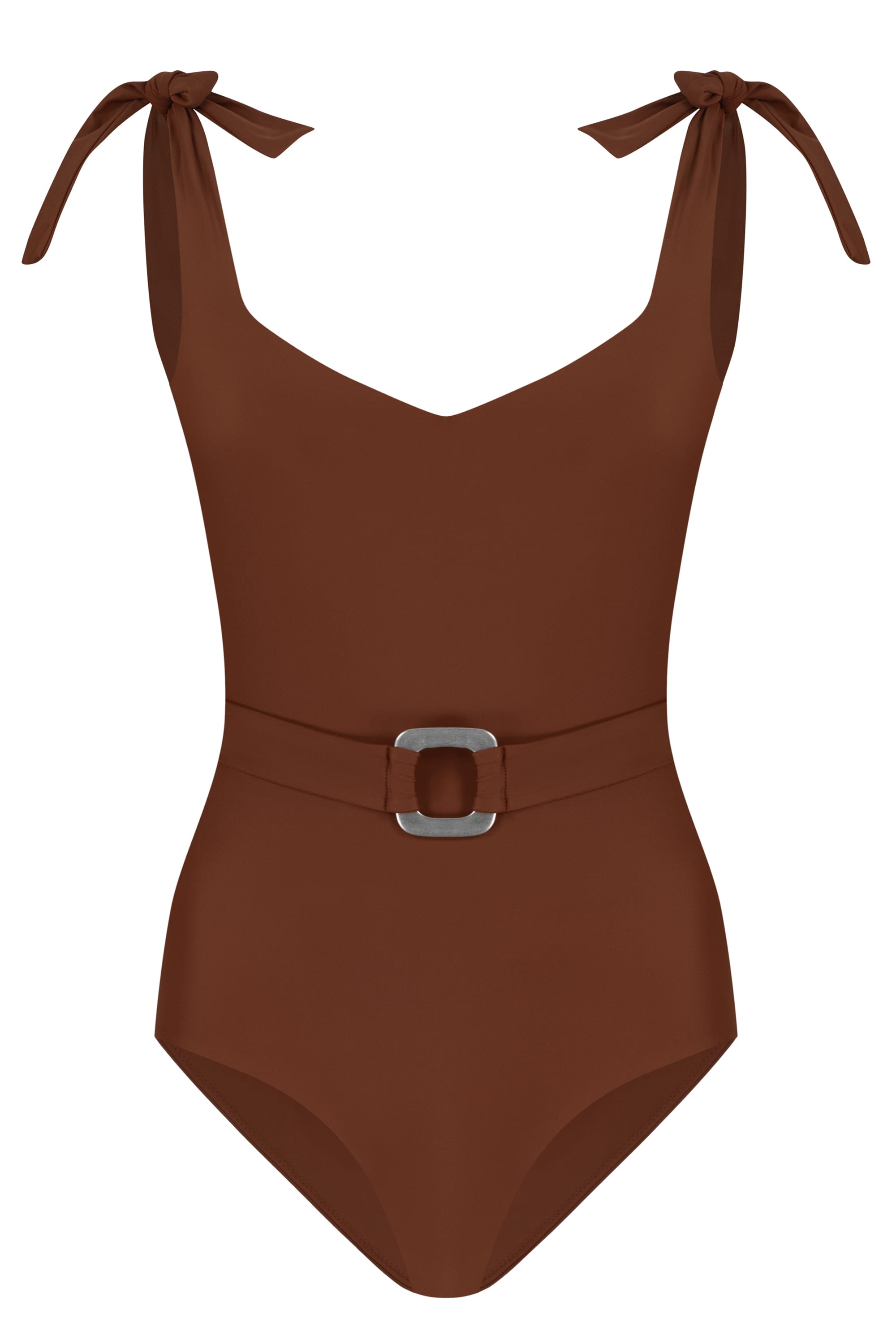
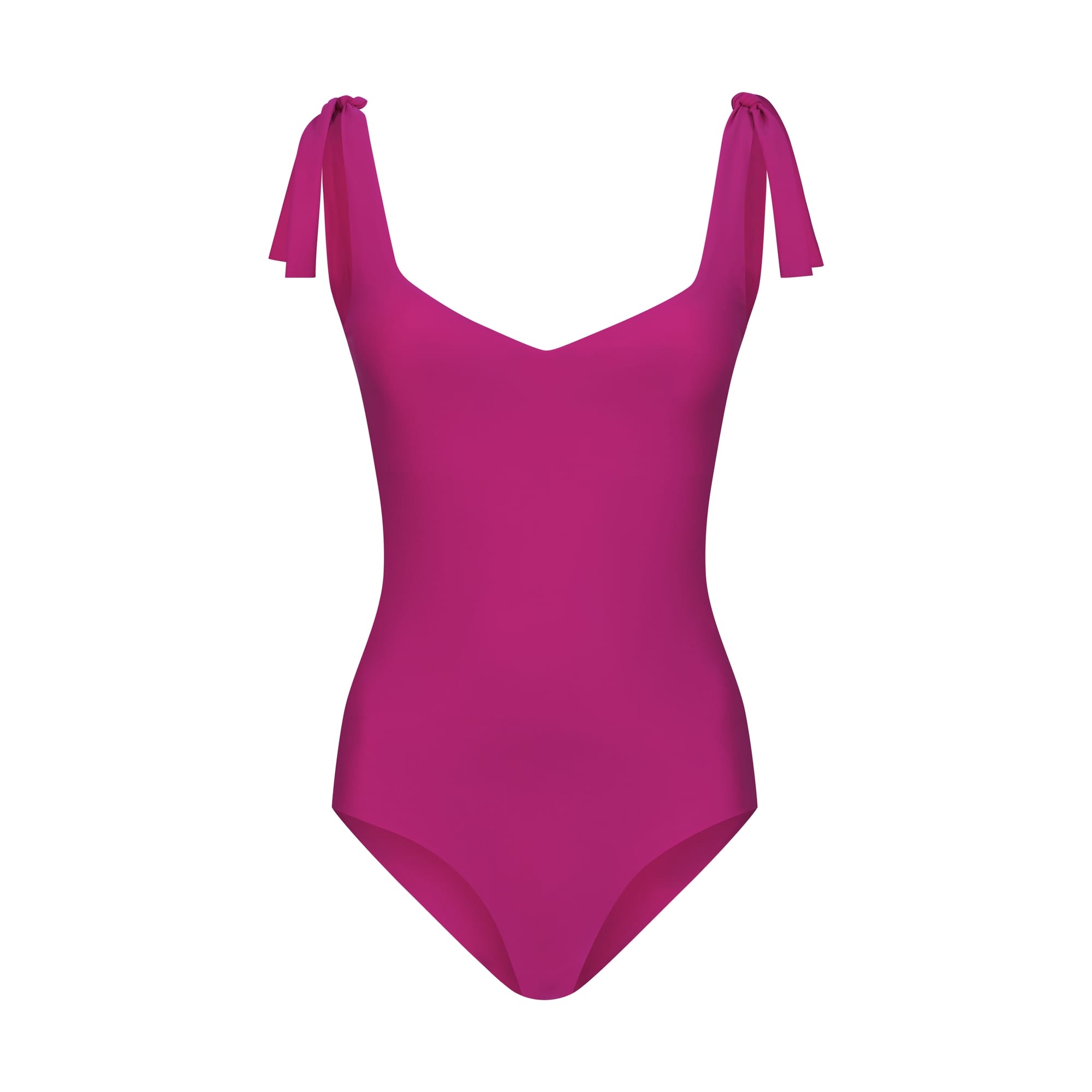
Swimwear made from recovered nylon waste
That is particularly relevant in the Gulf, where swimwear is not necessarily an occasional holiday purchase. Pools, beaches, resorts and outdoor life are woven into the region's lifestyle, meaning a swimsuit can face repeated exposure to salt water, chlorine, intense sunlight and frequent washing. For Ungureanu, longevity is part of the sustainability conversation: “We need pieces that are made to last.” The swimsuits use a regenerated nylon made from recovered waste materials, including discarded fishing nets, fabric scraps and other nylon waste. According to her, the material is designed to withstand chlorine, salt water and sunlight while maintaining its colour, fit and performance over time.
But the more interesting point is not the material itself. It is the reasoning behind choosing something that can withstand repeated use. A swimsuit that has to be replaced every season because it loses its shape or colour does not necessarily represent a more sustainable choice simply because it was made from recycled material. Durability, in this sense, becomes part of the environmental equation.
Around 500 million pieces of clothing are consumed in the UAE each year, while about 220,000 tonnes of textiles are discarded, according to official data. Almost 90% of discarded textiles end up in landfills. The numbers point to a simple problem: making a garment more sustainable only matters if we also find ways to keep it in use for longer.
Naseej initiative
That is where the UAE's push towards a circular fashion industry comes in. The country has recently launched Naseej, a national initiative aimed at transforming the textile sector into a circular-economy priority. Rather than following the traditional model of producing, consuming and eventually discarding textiles, the plan is intended to help preserve resources and economic value for longer.
The idea of circularity can sound abstract when discussed at the level of national policy. At the beach, however, it becomes surprisingly simple. Can a woman wear the same swimsuit again and again? Does she actually like wearing it? Does it fit her body? Does it allow her to move? Does it provide the coverage she wants? And, eventually, what happens to the material when she no longer needs it?
Those questions are particularly important in a market where “sustainable” has become an increasingly common label. The UAE's broader Circular Economy Policy aims to reduce waste, improve resource efficiency and extend the life cycle of materials and products, while encouraging businesses to adopt more sustainable production practices.
Sustainability cannot stop at the fabric
There is no single female body, and there is no single reason a woman chooses one swimsuit over another. Priorities are different for everyone, but they point to the same conclusion: sustainability cannot stop at the fabric.
A swimsuit becomes a sustainable choice when it is made responsibly, lasts long enough to justify its resources and works well enough for a woman to want to keep wearing it. The future of sustainable swimwear, then, may not be about designing one perfect swimsuit for everyone. It may be about making enough room for every woman to find the one that works for her.


Comments ()