
Global poverty rises for the first time since 2010, UN finds
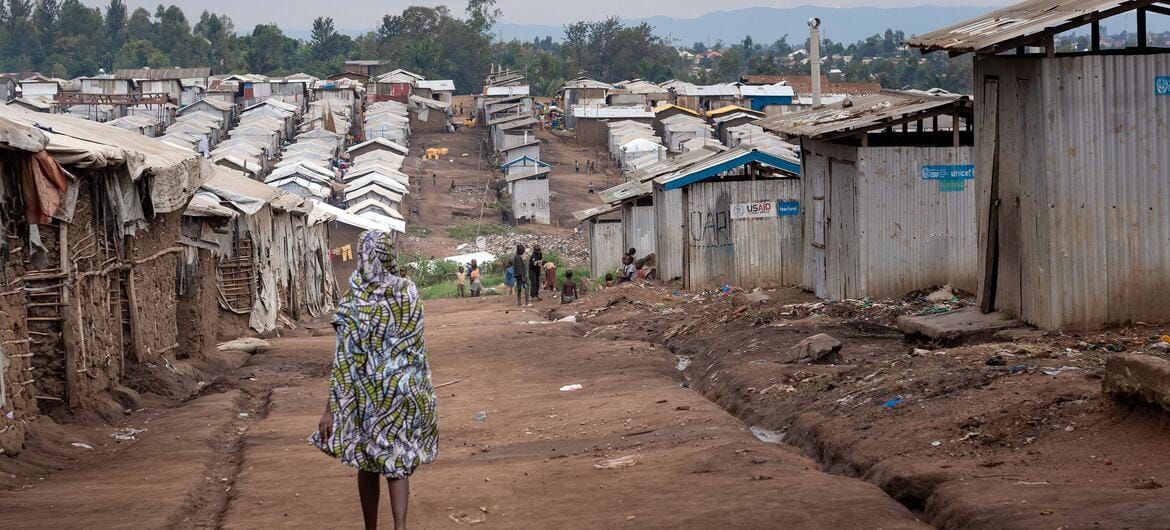
A new United Nations Development Programme report says that nearly 1.2 billion people across 108 countries lack basic necessities such as adequate nutrition, schooling, clean drinking water or electricity.
The findings mark the first rise in global multidimensional poverty since the index was launched in 2010. The indicator measures overlapping disadvantages, and the specific combination varies between households.
The increase is 51.5 million compared with the previous update on a like-for-like basis. The index covers 6.3 billion people, of whom around 19 per cent experience acute multidimensional poverty.
Alexander De Croo, United Nations Development Programme Administrator, said: "The rise in poverty should be a wake-up call for the world. Behind these figures are 1.2 billion people facing hardships that reinforce one another: hunger, missed schooling and a lack of clean water or electricity. This is unacceptable."
Children account for more than half of those affected
Roughly one in three children worldwide lives in multidimensional poverty, compared with one in seven adults. Children under 18 make up 617 million, or 51.5 per cent, of people living in multidimensional poverty, according to the report.
The research also finds that 998 million people experiencing multidimensional poverty live in rural areas. That represents 83.3 per cent of the global total, compared with 200 million people in urban areas.
Sub-Saharan Africa has the highest regional poverty rate, at 51.4 per cent. The region accounts for 616 million people living in multidimensional poverty, more than any other world region.
Population growth contributes to the increase
Population growth accounts for part of the rise in multidimensional poverty. In 95 countries without new survey data, updated population estimates added 15.8 million people to the poverty count, assuming poverty rates remained constant. The report attributes the remainder of the increase to changes in the 13 countries where new surveys were available: Angola, Democratic Republic of the Congo, Egypt, Kazakhstan, Malawi, Mali, Mexico, Nepal, Nigeria, Peru, Tajikistan, Turkmenistan and Zambia. These reflect changes in poverty incidence, demographic shifts and differences in indicator coverage between surveys.
The report’s findings distinguish between the number of people living in poverty and changes in poverty rates. In Angola and Zambia, poverty rates declined significantly, but population growth outpaced those reductions, leaving more people counted as poor. In Egypt, Nepal and Tajikistan, both poverty rates and the number of people affected fell significantly.
Some countries have halved their poverty index value
Despite the global increase, the report identifies progress in reducing multidimensional poverty.
Among 89 countries with data tracking changes over time, 33 halved their Multidimensional Poverty Index (MPI) value in fewer than 15 years, including six in Sub-Saharan Africa.
China recorded the fastest reduction among countries with available data, halving its MPI value in four years. Vietnam achieved the same milestone within seven years.
Halving an MPI value does not necessarily mean a country has halved the number of people living in poverty. The index reflects both the proportion of people experiencing deprivation and the intensity of that deprivation.
The findings relate to Sustainable Development Goal target 1.2, which calls for countries to halve the proportion of men, women and children living in poverty in all its forms and dimensions by 2030.
Comments ()