
Atlas Lions Seal Historic Victory: What Morocco's World Cup Triumph Means for the Arab and African Regions
The Atlas Lions advanced to the knockout rounds of the 2026 FIFA World Cup.
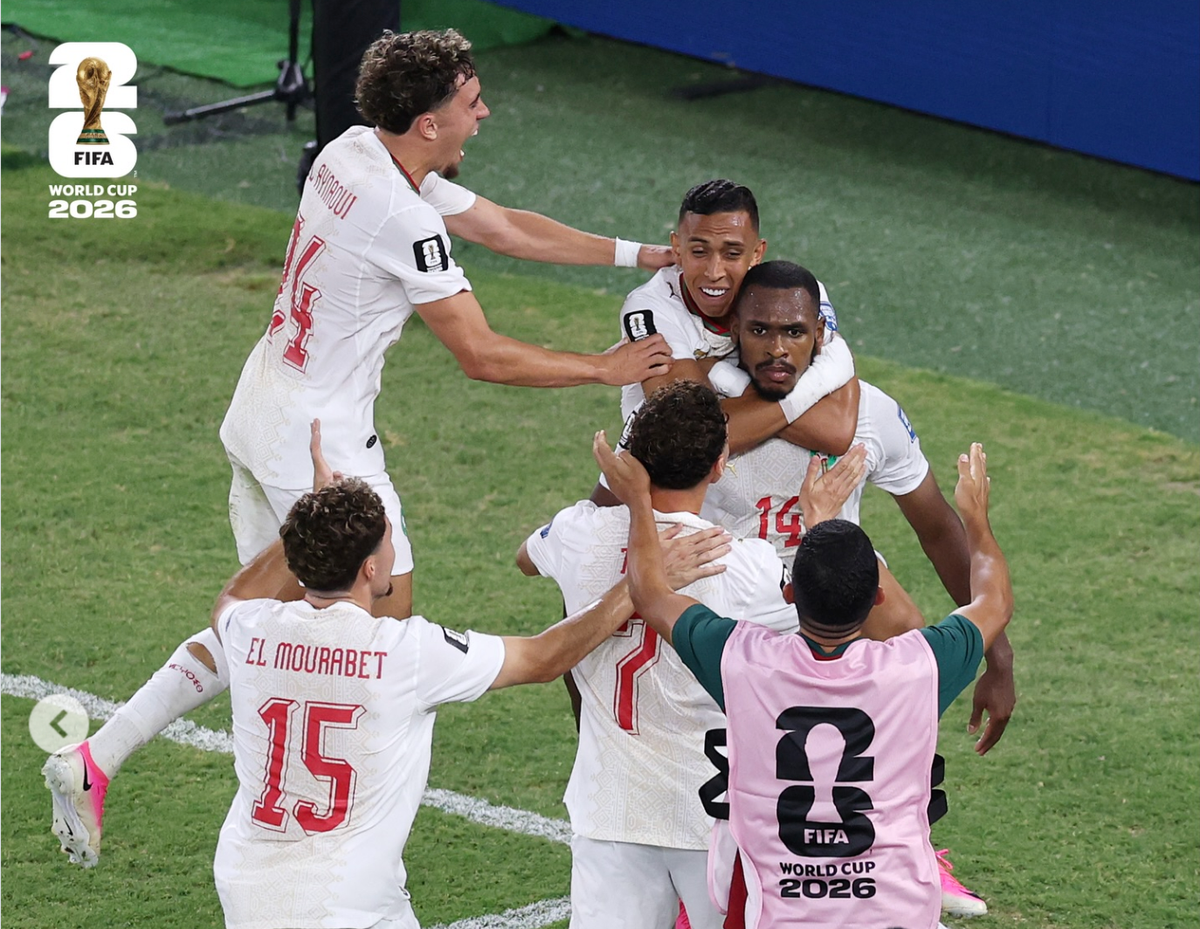
Dubai, UAE: Morocco’s national football team once again proved that its historic rise to football's elite hierarchy is no fluke. Following a dramatic penalty shootout victory against the Netherlands early on June 30 (UAE), the Atlas Lions advanced to the knockout rounds of the 2026 FIFA World Cup, cementing their position as an undisputed powerhouse of international football.
The 1–1 draw in normal time, capped by a tense 3–2 penalty shootout victory at the Monterrey Stadium, has triggered celebrations extending far beyond Rabat. Analysts point to the win as a major milestone for Morocco, shifting its international profile from a strong regional contender into a globally recognised force with compounding soft power across the Middle East and Africa.
Breaking Traditional Centers of Power
For decades, North African and Middle Eastern nations were viewed through a restrictive prism on the global sporting stage, widely regarded as outsiders capable only of occasional, isolated upsets against Europe or South America.
Morocco’s recent trajectory has entirely dismantled that narrative.
Following their barrier-breaking semifinal run at the 2022 World Cup in Qatar, this latest triumph over the Netherlands demonstrates a rare, elite consistency on the grandest global stage. Across the Global South, Morocco has come to embody the possibility that a country operating outside football’s traditional European and South American centers of power can challenge the established hierarchy while remaining deeply rooted in its own cultural identity.
A Strategic Blueprint for Regional Development
Morocco's success on the pitch is directly linked to an intentional, state-backed development structure that serves as a modern blueprint for neighbouring nations. The Kingdom has quietly engineered a football revolution via:
- Massive Infrastructure Investments: Substantial long-term investments in world-class youth academies, specialised training complexes, and advanced stadium logistics.
- Diaspora Talent Mobilisation: An elite scouting network that successfully integrates international diaspora talent born in Europe with domestically trained players.
This comprehensive pipeline provides a tangible template for African and Arab football federations looking to transition from short-term sporting cycles into sustainable, multi-generational athletic infrastructure.
With Morocco set to host major international events – including the upcoming editions of the Africa Cup of Nations and co-hosting the landmark 2030 FIFA World Cup alongside Spain and Portugal – the victory over the Netherlands is more than a win on a scoresheet. It is an assertion of a region stepping confidently into the global spotlight.


Comments ()